
Choosing the right roof for a commercial building is an important decision that can influence the property’s appearance, weather protection, maintenance requirements, and long-term operating costs. Whether you are constructing an office, showroom, resort, warehouse, or commercial complex, the roofing system should suit the building’s purpose and local environmental conditions.
In Kerala, commercial properties must account for heavy seasonal rainfall, humidity, and periods of strong sunlight. A roofing system that works well for one building may not be suitable for another because roof size, structural requirements, building usage, and site conditions can vary considerably.
Understanding your options before construction begins can help you make informed decisions about materials, structural support, drainage, and installation. In this guide, Scaffs India explains seven essential considerations for planning commercial roofing in Kerala.
Why Is Choosing the Right Commercial Roofing System Important?
Commercial buildings have different roofing requirements depending on their size, design, and intended use. A retail showroom may prioritise appearance, while a warehouse may require a large-span roof with carefully planned drainage and ventilation.
The right roofing solution should address the building’s practical requirements while complementing its architectural design.
Here are four important factors to consider.
1. Protection Against Weather
A commercial roof must protect the building and its contents from rainfall and other environmental conditions.
Roof slope, material selection, flashing, waterproofing details, and rainwater drainage all contribute to the performance of the complete roofing system.
In Kerala, these details deserve particular attention because poorly planned drainage or installation defects can allow water to enter the building.
2. Long-Term Maintenance
Roof maintenance can involve labour, materials, access equipment, and temporary disruption to building operations.
The maintenance requirements vary according to the roofing material, installation quality, site exposure, and building design.
When comparing options, consider not only the initial quotation but also the manufacturer’s maintenance recommendations and the practical cost of inspecting and maintaining the roof.
3. Structural Suitability
Commercial roofs may need to accommodate different spans, roof coverings, equipment, and environmental loads.
The supporting structure must be designed for the proposed roofing system and the conditions expected at the site.
A qualified professional should assess the structural requirements before installation, particularly for large-span buildings or major roof renovations.
4. Appearance and Building Design
The roof can contribute significantly to a commercial property’s exterior appearance.
For offices, resorts, showrooms, and customer-facing businesses, a coordinated roofing design can complement the building’s architecture and create a more professional appearance.
Material selection should balance appearance with structural suitability, weather protection, maintenance, and budget.
7 Essential Tips for Choosing Commercial Roofing in Kerala
1. Identify the Purpose of Your Building
Before choosing roofing materials, identify how the building will be used.
Different commercial properties have different requirements.
Office buildings: Consider indoor comfort, roof insulation where appropriate, ventilation, and the integration of lighting and building services.
Retail showrooms: Consider exterior appearance, customer comfort, drainage, and the building’s architectural design.
Warehouses: Pay attention to structural spans, roof covering specifications, ventilation requirements, and the protection of stored goods.
Resorts and hospitality properties: Consider appearance, indoor comfort, weather protection, and maintenance access.
Commercial workshops: Evaluate the building’s operational requirements, ventilation needs, equipment, and any relevant fire-safety requirements.
Defining these priorities at the beginning helps narrow down the roofing options suitable for your project.
2. Choose Roofing Materials According to Your Requirements
There is no single roofing material that is ideal for every commercial building.
Your choice should depend on the building’s design, roof slope, structural support, environmental exposure, and budget.
Roofing Shingles
Roofing shingles can be considered for commercial buildings with compatible sloping roofs.
They are available in different styles and colours, making them an option for offices, resorts, selected commercial villas, and other buildings where the roof forms an important part of the exterior design.
Before selecting shingles, confirm the permitted roof slope, supporting deck requirements, underlayment specifications, fastening details, and suitability for the site.
Metal Roofing Sheets
Metal roofing sheets may suit certain commercial buildings, particularly where the design requires a lightweight roof covering.
The selected product, supporting structure, protective coating, fastening system, and drainage arrangements must be appropriate for the application.
Consider factors such as corrosion exposure, thermal comfort, rain noise, and maintenance before making a decision.
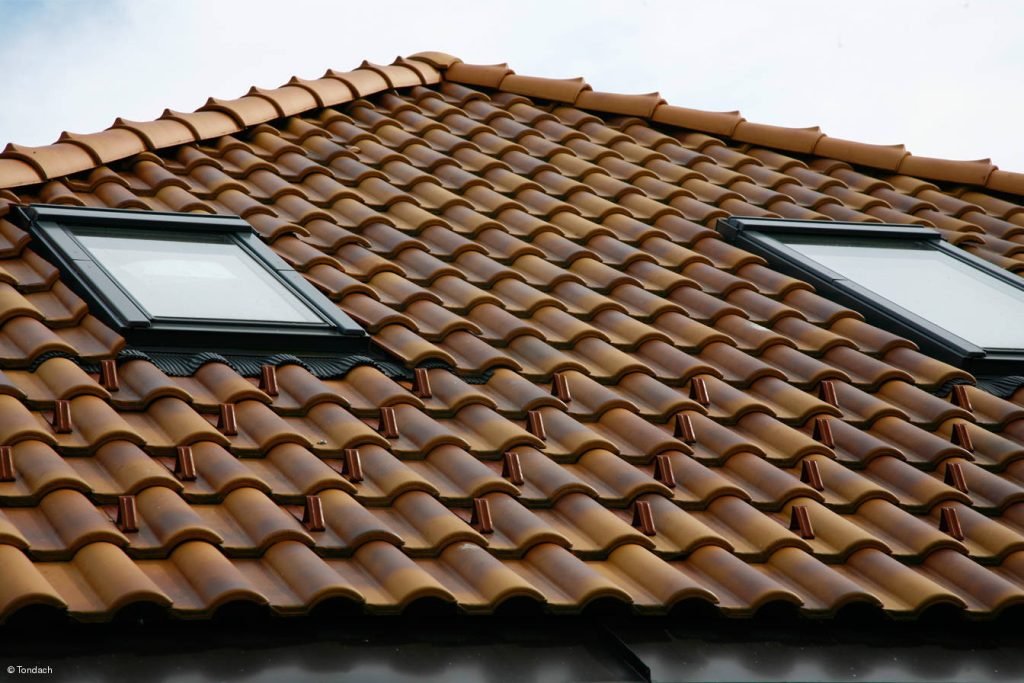
Traditional Roof Tiles
Roof tiles may be appropriate for certain hospitality properties, offices, and commercial buildings with traditional or regional architectural designs.
The supporting structure must accommodate the weight of the selected tiles, and the installation must follow the product’s requirements.
Truss Roofing Systems
A roof truss is a structural system that supports the roof covering. Trusses can be designed for different building layouts and spans, depending on the project’s structural requirements.
The truss design and roof material should be selected together to ensure that the complete system suits the building.
3. Plan Rainwater Drainage Carefully
Rainwater management is one of the most important considerations for commercial roofing in Kerala.
A large roof can collect substantial volumes of water during heavy rainfall. Poorly planned drainage can contribute to leaks, water accumulation, damage to exterior walls, and disruption to business operations.
Before installation, consider:
The roof slope and drainage direction.
The size and location of gutters where required.
Suitable downpipes and discharge points.
Flashing around roof intersections and penetrations.
Access for inspecting and cleaning drainage components.
Safe disposal or collection of rainwater.
The drainage system should be designed according to the roof area, rainfall conditions, building layout, and applicable requirements.
Do not rely on the roofing material alone to prevent water-related problems. Correct detailing and drainage are essential parts of the complete roof system.
4. Consider Heat, Ventilation, and Indoor Comfort
Commercial buildings can become uncomfortable when roof-related heat transfer is not adequately addressed.
The requirements differ according to the building’s use. An office may require comfortable working conditions, while a warehouse may need ventilation suited to its contents and operations.
When planning the roof, consider:
Roof insulation: Suitable insulation can reduce heat transfer through the roof assembly.
Ventilation: A properly designed ventilation strategy may help manage heat and moisture in appropriate roof spaces.
Roof colour and material: Surface properties can influence solar heat absorption.
Ceiling design: The space between the roof covering and occupied rooms can affect thermal performance.
Building orientation and shading: These factors can influence the amount of solar radiation reaching the building.
Scaffs India offers a power/cool roofing system. If heat management is a priority, discuss whether the available solution is suitable for your building and confirm the product specifications before proceeding.
5. Evaluate the Complete Project Cost
The lowest initial quotation is not necessarily the most suitable option for a commercial roofing project.
A useful comparison should consider the complete scope of work and the expected maintenance requirements.
Your estimate may need to account for:
Roofing materials and quantities.
Structural supports and truss work.
Underlayment and waterproofing components.
Fasteners, flashing, and finishing details.
Gutters and rainwater drainage.
Labour and installation.
Site access and material handling.
Inspection and maintenance requirements.
Ask each contractor to clearly state what is included and excluded from the quotation.
Where possible, compare quotations based on equivalent materials, specifications, installation details, and warranty conditions.
This makes it easier to understand the differences between proposals and identify the option that best meets your requirements.
6. Check Installation Quality and Contractor Experience
Even a suitable roofing material can underperform if it is incorrectly installed.
Commercial roofing projects require attention to structural connections, fastening details, roof junctions, drainage, and compliance with the selected product’s installation requirements.
Before appointing a contractor, consider the following questions:
Does the contractor have experience with the proposed roofing system?
Can they provide examples of relevant completed projects?
Are the materials and installation methods clearly specified?
Who is responsible for inspecting the work?
How will site safety and access be managed?
What warranty documentation will be provided?
How will defects or installation issues be addressed?
Request a written proposal that clearly explains the work, materials, responsibilities, and applicable terms.
For large or structurally complex buildings, involve the appropriate design and engineering professionals.
7. Plan for Future Inspection and Maintenance
Roof maintenance should be considered during the design stage rather than only after problems occur.
The accessibility of gutters, drainage outlets, roof equipment, and other components can influence the effort required for future inspections.
A maintenance plan may include checking for visible damage, inspecting flashing and roof junctions, clearing drainage channels, and looking for signs of leakage or corrosion.
The frequency of inspections depends on the roofing material, site exposure, building use, and manufacturer’s recommendations.
Commercial property owners should also consider how maintenance work will affect normal operations. Safe access and suitable procedures can help minimise disruption.
Commercial Roofing for Different Types of Businesses in Kerala
The best roofing solution depends on the type of property and the activities carried out inside it.
Roofing for Offices
Office buildings may benefit from roofing designs that consider indoor comfort, energy use, drainage, and the appearance of the property.
The roofing system should work with the building’s ventilation, insulation, ceiling, and other services.
Roofing for Showrooms
A showroom roof can contribute to the building’s overall appearance.
For sloping roofs, selected roofing shingles may provide an attractive finish when the product and supporting structure are appropriate for the design.
Consider the relationship between the roof colour, exterior walls, windows, signage, and surrounding architecture.
Roofing for Resorts and Hotels
Hospitality properties often need to balance appearance, guest comfort, and maintenance requirements.
The roof design should suit the property’s architectural style while accounting for rainfall, ventilation, structural requirements, and access for inspections.
Roofing for Warehouses
Warehouse roofing requires careful consideration of the roof span, structural loads, ventilation, rainwater drainage, and the protection of stored materials.
The design should reflect the activities taking place inside the building and any relevant operational or safety requirements.
Roofing for Commercial Buildings in Kochi, Kozhikode, and Kannur
Commercial property owners in Kochi, Kozhikode, Kannur, and other parts of Kerala should consider the environmental conditions at the specific site.
Properties exposed to coastal air may require particular attention to corrosion resistance, while buildings with large roof areas may need carefully planned rainwater drainage.
A site-specific assessment is the best way to determine the appropriate roofing system for an individual project.
Common Commercial Roofing Mistakes to Avoid
Avoiding preventable mistakes can make the planning and installation process more straightforward.
Choosing Materials Without Checking Compatibility
A roofing product must be compatible with the roof slope, supporting deck, fastening system, and other components.
Always review the product requirements before finalising the material.
Ignoring Structural Requirements
The supporting structure must be suitable for the proposed roof covering and expected loads.
Do not assume an existing structure can accommodate a different roofing system without assessment.
Underestimating Drainage Requirements
Inadequate drainage planning can contribute to water accumulation and leakage.
Consider roof drainage early in the design process rather than treating it as a finishing detail.
Comparing Quotations Only by Price
Different quotations may include different materials, specifications, and installation work.
Compare the complete scope before deciding which proposal offers the best fit for your project.
Neglecting Future Maintenance
A roof that is difficult to inspect may require more effort to maintain.
Plan for safe access and consider the long-term maintenance needs of the selected system.
Why Consider Scaffs India for Commercial Roofing?
Choosing a roofing provider involves assessing the materials offered, installation requirements, and suitability of the proposed solution for your property.
Scaffs India provides roofing shingles, truss roofing, roofing installation, and power/cool roofing solutions.
If you are planning a commercial building or upgrading an existing roof, you can discuss your requirements with the team.
Consider preparing the following information before requesting a quotation:
The location and type of commercial property.
Approximate roof area and roof design.
Preferred roofing material, if already selected.
Any existing problems with leakage or heat.
Your project timeline and budget.
Any special operational requirements.
Providing these details can help establish the scope of the project and identify the information needed for a suitable proposal.
The appropriate solution depends on the building design, structural requirements, site conditions, and selected materials. Confirm the specifications and scope of work before proceeding with installation.
Frequently Asked Questions
1. Which roofing material is best for commercial buildings in Kerala?
The best material depends on the building’s purpose, roof design, structural requirements, budget, and environmental exposure. Roofing shingles, metal roofing sheets, and tiles may suit different applications when appropriately specified and installed.
2. Is roofing shingles a suitable option for commercial buildings?
Roofing shingles can be suitable for commercial buildings with compatible sloping roofs. The product specifications, roof slope, supporting deck, fastening system, and installation requirements should be checked before selection.
3. What is truss roofing?
Truss roofing uses a structural framework designed to support a roof covering. The truss design depends on the required span, roof materials, structural loads, and site conditions.
4. How much does commercial roofing cost in Kerala?
The cost depends on the roof area, materials, structural requirements, installation complexity, site access, and drainage arrangements. A project-specific quotation provides a more reliable estimate than a general price alone.
5. How can I reduce heat inside a commercial building?
Depending on the building, suitable insulation, ventilation, shading, and roofing materials may help manage heat transfer. The appropriate approach depends on the roof construction and the building’s intended use.
6. What should I check before hiring a commercial roofing contractor?
Review relevant project experience, material specifications, installation methods, quotation details, safety procedures, inspection arrangements, and applicable warranty terms.
7. Does Scaffs India provide roofing installation services?
Scaffs India lists roofing installation, roofing shingles, truss roofing, and power/cool roofing solutions among its services. Contact the company to discuss your commercial property’s location and requirements.
Conclusion
Choosing commercial roofing in Kerala requires careful consideration of building use, materials, structural requirements, drainage, indoor comfort, and future maintenance.
A suitable roofing system should meet the practical requirements of the property while complementing its design and budget. Comparing detailed quotations and ensuring proper installation can help commercial property owners make more informed decisions.
Whether you are planning an office, showroom, resort, warehouse, or another commercial property, assess the complete roofing system before beginning construction.
Planning a commercial roofing project in Kerala? Contact Scaffs India to discuss your requirements and explore suitable roofing solutions for your building.