
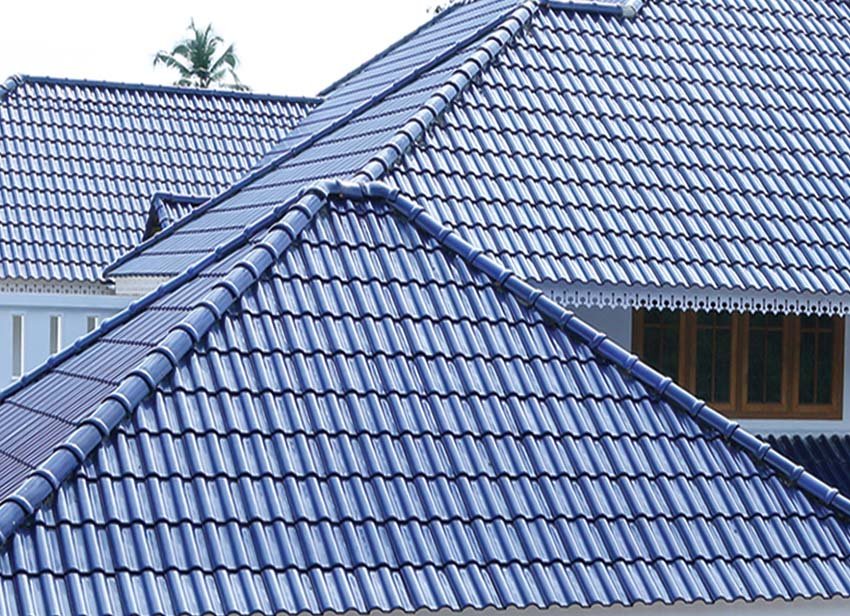
Planning a new roof is an important investment when building or renovating a home. Before choosing a roofing contractor, most homeowners compare quotations to understand the expected cost, materials, and installation process. However, the lowest quotation is not always the most suitable option.
A roofing quotation should explain what the contractor will supply, which materials will be installed, what work is included, and whether additional expenses may arise during construction. Without these details, two quotations that appear similar in price may cover very different scopes of work.
For homeowners in Kerala, careful quotation planning is particularly important because roofing projects must account for seasonal rainfall, drainage, material suitability, and the design of the building.
In this guide, Scaffs India explains nine essential things to check before accepting a roofing quotation, helping you compare options and make a more informed decision.
Why Is a Detailed Roofing Quotation Important?
A roofing quotation is more than a price estimate. It is a written outline of the proposed roofing work, materials, quantities, labour, and other agreed requirements.
A detailed quotation helps you understand what you are paying for and makes it easier to compare contractors fairly.
Before accepting an estimate, check whether it clearly explains the scope of work, identifies the proposed materials, and states any exclusions. If something is unclear, ask the contractor to explain it in writing.
9 Things to Check in a Roofing Quotation
1. Confirm the Roofing Material Specifications
The first thing to check is the type and specification of the roofing material included in the quotation.
Different roofing systems have different installation requirements, appearances, and maintenance considerations. Even products within the same category may have different specifications.
If you are considering roofing shingles, ask the contractor to specify the proposed brand, product range, colour, and relevant installation requirements.
For other roofing systems, confirm the material type, thickness or grade where applicable, and the components required for installation.
Questions to ask:
What exact roofing material is included?
Which brand and product range will be supplied?
Are the colour and finish specified?
Are the listed products suitable for the proposed roof design?
Will any material substitutions require prior approval?
A quotation that clearly identifies the products makes it easier to compare offers and confirm what will be installed.
2. Check the Roof Area and Material Quantities
The estimated roof area directly affects the quantity of materials required.
Ask the contractor how the roof area was calculated and whether the estimate accounts for the roof’s slopes, overhangs, valleys, ridges, and other relevant features.
For sloping roofs, the actual roof surface area may differ from the building’s ground-floor footprint.
The quotation should ideally include quantities and measurement units for major materials. This allows you to understand the estimate rather than relying on a single total price.
Check for:
Estimated roof surface area.
Quantity of the primary roofing material.
Underlayment quantities, where applicable.
Flashing and finishing components.
Allowance for cutting and material wastage, if included.
If you have received multiple quotations, confirm that the contractors are estimating the same roof area and scope before comparing their prices.
3. Understand What the Labour Charges Include
Labour charges can cover different activities depending on the contractor and the project.
One quotation may include the complete installation process, while another may cover only selected tasks. This difference can make a cheaper estimate appear more attractive than it actually is.
Ask for a clear explanation of the work included in the labour cost.
For example, the scope may cover preparation of the roof deck, installation of the roofing material, finishing work, and cleanup. Structural work, dismantling an existing roof, or transporting waste may be charged separately.
Before accepting the quotation, clarify:
Which installation activities are included?
Is removal of the existing roof included, if required?
Are transportation and material handling included?
Who is responsible for site cleanup?
Are additional labour charges possible if unexpected work is discovered?
Written clarification helps reduce disagreements during construction.
4. Verify the Truss and Supporting Structure Details
The supporting structure is a critical part of the roofing system.
If your project includes truss roofing, the quotation should explain whether the trusses and related structural components are included in the proposed price.
The structural design should account for the building layout, roof span, selected roofing materials, and applicable loading requirements.
Avoid comparing quotations based only on the apparent price of the roof covering if one contractor includes the supporting structure and another does not.
Ask the contractor to clarify:
Whether the truss structure is included.
What materials are proposed for the supporting structure.
Whether design and fabrication are included.
Which structural connections and accessories are covered.
Whether any civil or masonry work is excluded.
Structural specifications should be confirmed by an appropriately qualified professional where required. The quotation should reflect the agreed design and scope.
5. Check Underlayment, Flashing and Weatherproofing
The visible roof covering is only one part of a complete roofing system. Underlayment, flashing, edge details, and connections can also play important roles in managing water.
These components are especially important around roof valleys, wall junctions, penetrations, ridges, and other areas where water may enter if detailing is inadequate.
The quotation should identify the relevant weatherproofing components rather than simply stating that the roof will be installed.
For a roofing-shingle project, check whether the estimate specifies the required underlayment and installation details in accordance with the product manufacturer’s instructions.
Questions to ask:
Is underlayment included?
What flashing components are included?
How will roof-to-wall junctions be handled?
Are valleys, ridges, hips, and edges included in the estimate?
Are any waterproofing products or additional treatments charged separately?
The exact requirements depend on the roof design and selected materials, so ask the contractor to explain the proposed system for your property.
6. Clarify Gutters and Rainwater Drainage
Kerala’s seasonal rainfall makes effective roof drainage an important part of construction planning.
However, gutters and downpipes are not necessarily included in every roofing quotation.
Confirm whether the proposed estimate covers the required drainage components and how rainwater will be directed away from the building.
Check whether the quotation specifies gutter materials, approximate quantities, downpipe locations, fittings, and installation labour where applicable.
Also discuss the discharge point for rainwater and whether any additional drainage work is needed around the property.
A well-planned drainage arrangement should suit the roof area, site conditions, and expected rainfall. The appropriate design depends on the individual project.
7. Review the Warranty Terms Carefully
Warranty terms can differ between roofing products, manufacturers, contractors, and installation services.
A product warranty and a workmanship warranty are not necessarily the same thing. One may cover specified product defects, while another may address particular installation issues under agreed conditions.
Ask the contractor to explain the warranty documents that apply to your project.
Confirm the following:
Which products are covered by a manufacturer’s warranty?
Is installation workmanship covered separately?
What is the duration of each applicable warranty?
What conditions or exclusions apply?
What documentation must be retained?
Who should be contacted if a covered issue occurs?
Do not assume that every component or type of damage is covered simply because the quotation mentions a warranty. Read the actual terms and request written clarification before proceeding.
8. Identify Exclusions and Possible Additional Costs
One of the most useful parts of a quotation is the list of items that are not included.
Additional expenses may arise if the project requires structural repairs, changes to the original design, removal of existing materials, or other work outside the agreed scope.
Ask the contractor to identify known exclusions before you approve the quotation.
For example, check whether the price includes:
Demolition or removal of existing roofing.
Repairs to the existing supporting structure.
Scaffolding or special access equipment.
Transportation and unloading.
Gutters and rainwater pipes.
Electrical work or roof penetrations.
Taxes and other applicable charges.
Disposal of construction waste.
Not every project requires every item. The purpose is to establish which costs apply to your particular roof and which are outside the quoted amount.
9. Confirm the Project Timeline and Payment Schedule
The quotation should provide a realistic understanding of the expected project timeline and payment arrangements.
Roofing work may be affected by material availability, site preparation, weather, and other construction activities. Ask the contractor to explain the expected start date, approximate duration, and circumstances that could affect completion.
The payment schedule should also be clear.
Before paying an advance, confirm the total agreed price, payment milestones, and conditions for any additional charges.
It is helpful to have written agreement on:
The expected start date.
The estimated installation duration.
Payment milestones.
The process for approving variations.
The inspection and handover process.
The documents to be provided after completion.
Avoid relying on verbal promises for important project terms. Written agreements make expectations clearer for both parties.
How to Compare Two Roofing Quotations Fairly
When you receive quotations from different contractors, compare the scope and specifications before comparing the final price.
A lower quotation may exclude important components or include a different roofing product. A higher quotation may cover additional work that the other estimate leaves out.
Use the following checklist to organise your comparison.
| Item to Compare | Quotation A | Quotation B |
|---|---|---|
| Roofing material and brand | Confirm | Confirm |
| Roof area and quantities | Compare | Compare |
| Supporting structure or trusses | Check scope | Check scope |
| Underlayment and flashing | Check inclusion | Check inclusion |
| Gutters and downpipes | Check inclusion | Check inclusion |
| Labour and installation | Compare scope | Compare scope |
| Warranty terms | Review documents | Review documents |
| Exclusions and additional charges | Identify | Identify |
| Project timeline | Confirm | Confirm |
| Payment schedule | Confirm | Confirm |
| Final quoted amount | Review total | Review total |
Request revised quotations if the offers use different specifications or leave important details unclear. A like-for-like comparison provides a better basis for making your decision.
Common Mistakes to Avoid When Selecting a Roofing Contractor
Even after receiving quotations, homeowners can overlook details that affect the project.
Here are four mistakes worth avoiding.
Choosing Only by the Lowest Price
Price matters, but it should not be the only deciding factor. Compare materials, installation scope, weatherproofing details, warranty conditions, and the contractor’s ability to complete the agreed work.
Accepting an Unclear Scope of Work
A quotation that simply states a total price without explaining the included work can lead to confusion. Request itemised details and written clarification before accepting it.
Ignoring the Supporting Structure
The roof covering and its supporting structure need to work together. Confirm that the proposed structural arrangement is appropriate for the building and that the quotation clearly identifies what is included.
Overlooking Warranty Conditions
Ask for the actual warranty terms rather than relying on a general promise. Understand the coverage, exclusions, documentation requirements, and process for raising a claim.
Why Discuss Your Roofing Requirements With Scaffs India?
Choosing a roofing system involves more than selecting a colour or comparing a price per square foot. Material specifications, roof geometry, structural requirements, installation details, and drainage arrangements all need to be considered.
Scaffs India lists roofing shingles, truss roofing, roofing installation, and power/cool roofing among its services.
If you are planning a new roof or a renovation in Kerala, prepare the approximate roof dimensions, preferred materials, property location, and any specific concerns before requesting an estimate.
Discuss the proposed scope with the roofing provider and ask for clear information about the materials, installation, exclusions, and applicable warranty terms.
The right solution will depend on the design of your building, site conditions, and selected roofing system.
Frequently Asked Questions
1. What should a roofing quotation include?
A detailed roofing quotation should identify the proposed materials, estimated quantities, labour, supporting structure where applicable, weatherproofing components, drainage provisions, exclusions, warranty terms, payment schedule, and expected timeline.
2. How do I compare roofing quotations in Kerala?
Check that the quotations cover the same roof area, materials, installation activities, structural work, drainage components, and warranty terms. Compare the complete scope rather than choosing solely by the final price.
3. Should roofing materials be mentioned by brand in a quotation?
Where a specific brand or product is important to your decision, ask for it to be identified in writing. The quotation should clearly state the product specifications and explain whether substitutions are permitted.
4. Are trusses always included in a roofing quotation?
No. Some quotations cover the roofing material and installation only, while others may include the supporting structure. Confirm the scope before comparing prices.
5. Is underlayment included in every roofing estimate?
Not necessarily. Inclusion depends on the roofing system and the contractor’s proposed scope. Ask which underlayment, if required, is specified and whether its supply and installation are included.
6. What is the difference between a product warranty and a workmanship warranty?
A product warranty generally covers specified product-related issues under its terms. A workmanship warranty may cover certain installation-related problems. The actual coverage depends on the documents issued by the relevant manufacturer or contractor.
7. Can the final roofing cost differ from the quotation?
Yes. The final amount may change if the agreed scope changes or additional work is required. Ask how variations will be priced and approved before authorising extra work.
8. Should I pay the full roofing cost in advance?
Payment arrangements vary by project and agreement. Review the payment milestones, confirm the scope in writing, and understand the conditions attached to each payment before proceeding.
Conclusion
A roofing quotation helps you understand the materials, work, costs, and responsibilities involved in your project. Reviewing the details before construction begins can help you compare contractors more fairly and reduce misunderstandings during installation.
For homeowners in Kerala, pay particular attention to the roofing material specifications, supporting structure, underlayment, flashing, drainage, warranty terms, and possible additional charges.
Take time to clarify any missing information and ensure that the final agreement reflects the work you expect to receive.
Planning a new roof or renovation in Kerala? Contact Scaffs India to discuss your roofing requirements and request information about suitable roofing materials and installation options.