
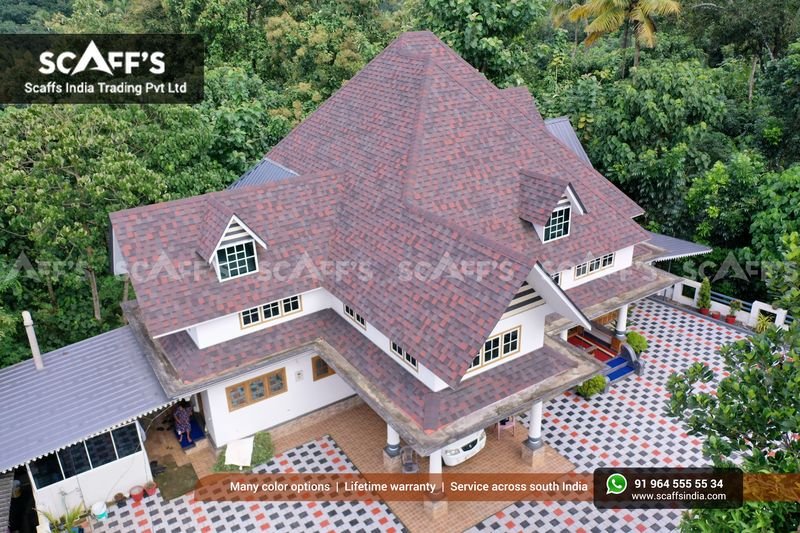
Choosing the right roof design is an important part of building a beautiful and practical home. The roof influences the appearance of your house, how rainwater drains away, the available roof space, and the materials required for construction. In Kerala, where heavy monsoon rainfall and humid weather are important design considerations, selecting a suitable roofing style deserves careful planning.
Two popular options for residential buildings are gable roofs and hip roofs. Shed roofs are another option for homeowners who prefer a simple, contemporary appearance. Each design has different characteristics, and the right choice depends on your home’s architecture, site conditions, budget, and preferred roofing material.
Whether you are planning a new home in Kochi, renovating a property in Kannur, or building a villa in Kozhikode, understanding these roof designs can help you make a more informed decision.
In this guide, Scaffs India explains the differences between gable, hip, and shed roofs and shares seven important tips for choosing a roof design for your Kerala home.
Why Is Roof Design Important for Kerala Homes?
A roof does more than complete the appearance of a house. Its shape and construction influence how the building manages rainfall, wind exposure, ventilation, and the connection between the roof and supporting structure.
A suitable roof design should complement the architecture while meeting the practical requirements of the property.
Here are four important factors to consider.
1. Rainwater Drainage
Kerala experiences substantial seasonal rainfall, making effective roof drainage essential.
The roof slope, covering material, valleys, gutters, and downpipes should work together to direct rainwater away from vulnerable parts of the building.
Different roof shapes create different drainage patterns. The design should account for these patterns rather than relying on the roof shape alone to prevent leakage.
2. Exterior Appearance
The roof is one of the most visible features of a house. Its shape, colour, and materials can significantly influence the overall architectural style.
A gable roof may suit a traditional or contemporary home, while a hip roof can create a balanced appearance with sloping sides. A shed roof may complement a minimalist design.
The best option depends on the proportions of the building and how the roof works with the walls, windows, and other exterior features.
3. Structural Requirements
Every roof design requires a suitable supporting structure.
The roof’s dimensions, materials, slope, and expected loads influence the design of the supporting members and connections.
A qualified professional should assess the structural requirements, particularly for large spans, complex roof shapes, or renovations involving an existing building.
4. Indoor Comfort
Roof design can influence ventilation, insulation opportunities, ceiling height, and the amount of heat entering the rooms below.
However, no roof shape automatically guarantees a cooler home. Thermal comfort depends on the complete roofing system, including materials, ventilation, insulation, ceiling construction, and building orientation.
3 Popular Roof Designs for Homes in Kerala
Before choosing a roofing system, understand the main characteristics of the available designs.
1. Gable Roof: A Classic and Versatile Option
A gable roof has two sloping roof sections that meet at a central ridge. The ends below the ridge typically form triangular walls known as gable ends.
This straightforward shape can suit many residential designs, from traditional houses to modern villas.
Advantages of a gable roof:
A simple roof shape for many building layouts.
Sloping surfaces that can direct rainwater towards the eaves.
Potential for useful attic or ceiling space, depending on the design.
Compatibility with suitable roofing materials, including shingles.
A familiar appearance that works with different architectural styles.
Things to consider:
The triangular gable ends and roof connections must be designed appropriately for local wind conditions. The roof also requires suitable flashing, weatherproofing, and drainage details.
Best suited for: Independent houses, traditional-inspired homes, modern villas, and selected cottage designs.
2. Hip Roof: A Balanced Design With Sloping Sides
A hip roof slopes down towards the walls on all sides rather than having vertical gable ends at two sides.
This creates a balanced appearance that can work well with many residential layouts.
Advantages of a hip roof:
A consistent sloping appearance around the building.
Compatibility with several architectural styles.
Opportunities to create a coordinated roof design for detached houses and villas.
Multiple sloping surfaces that can direct rainwater towards the roof edges.
Things to consider:
Hip roofs can require more complex framing and detailing than simpler roof shapes. Their ridges, hips, valleys where present, and roof junctions must be planned carefully.
A hip roof should not automatically be assumed to be windproof. Its performance depends on the structural design, connections, materials, and installation quality.
Best suited for: Villas, detached houses, and homes where a balanced roofline is preferred.
3. Shed Roof: A Simple Modern Design
A shed roof generally consists of a single sloping surface.
Its clean shape makes it an option for modern homes, extensions, verandas, and selected smaller buildings.
Advantages of a shed roof:
A simple, contemporary appearance.
A single primary slope that can simplify some aspects of drainage planning.
Potential for high ceilings on one side of the building.
A design that may suit certain extensions and compact structures.
Things to consider:
The roof slope must suit the selected roofing material and the expected rainfall. Drainage should be directed to appropriate collection points, and the roof’s height must work with the building’s overall design.
Best suited for: Contemporary homes, selected home extensions, verandas, and smaller residential structures.
Gable Roof vs Hip Roof vs Shed Roof
Use this comparison as a starting point when discussing roof designs with your architect or roofing contractor.
| Feature | Gable Roof | Hip Roof | Shed Roof |
|---|---|---|---|
| Basic shape | Two main sloping sides | Sloping sides on all sides | One main sloping surface |
| Architectural appearance | Traditional or contemporary | Balanced and symmetrical-looking | Simple and modern |
| Roof framing | Depends on span and design | Can require more complex framing | Often a simpler overall shape |
| Rainwater drainage | Mainly towards two eave sides | Towards the roof edges on multiple sides | Towards the lower edge |
| Design considerations | Gable ends and wind exposure | Hip junctions and framing complexity | Slope, drainage direction and roof height |
| Potential attic space | Depends on roof geometry | Depends on roof geometry | Usually limited by the design |
| Suitable roofing materials | Depends on slope and product requirements | Depends on slope and product requirements | Depends on slope and product requirements |
The table describes general design characteristics. Actual material compatibility, structural requirements, and construction costs depend on the individual project.
7 Tips for Choosing the Best Roof Design for Your Home
1. Start With Your Home’s Architectural Style
Your roof should complement the overall design of the building.
For example, a gable roof may suit a home with a prominent front elevation, while a hip roof may work well with a building that has a more balanced appearance on all sides.
A shed roof may suit a contemporary design with clean lines and varied ceiling heights.
Before choosing, consider the exterior walls, windows, entrance, balconies, and surrounding landscape. Looking at the whole building makes it easier to select a coordinated design.
2. Consider Kerala’s Rainfall Conditions
Rainwater management should be a priority when planning a roof in Kerala.
The selected roof covering must be suitable for the roof slope, and the drainage system must handle the expected rainfall.
Discuss the following details with your roofing contractor:
The required roof slope for the selected material.
The location of valleys and roof junctions.
Flashing around vulnerable connections.
Gutter and downpipe arrangements where required.
The direction of rainwater discharge.
Access for future inspection and maintenance.
A carefully planned roof can help manage rainwater, but correct installation and weatherproofing remain essential.
3. Select the Roofing Material Before Finalising the Design
Roof shapes and roofing materials must be compatible.
If you prefer roofing shingles, check the manufacturer’s permitted roof slope, substrate requirements, underlayment specifications, and fastening details before finalising the design.
The same principle applies to metal roofing sheets and traditional tiles. Each material has its own requirements.
Selecting the material early helps your architect or contractor coordinate the roof geometry and supporting structure appropriately.
4. Think About Indoor Heat and Ventilation
The roof can affect the thermal comfort of rooms directly beneath it.
Before finalising your design, consider roof ventilation, insulation where appropriate, ceiling height, and the properties of the selected roofing material.
A well-planned roof space may provide opportunities for ventilation, depending on the building’s construction.
If your priority is reducing indoor heat, discuss the complete roofing system rather than choosing a roof shape based on assumptions about temperature.
5. Evaluate the Total Construction Cost
Different roof shapes may require different quantities of materials, structural members, labour, and finishing components.
A simple roof shape is not automatically the cheapest option in every situation. The total cost depends on the building dimensions, span, roofing material, structural design, and installation complexity.
When requesting quotations, ask for a clear breakdown covering:
Supporting structure and trusses.
Roofing material and estimated quantities.
Underlayment and weatherproofing.
Flashing and roof junctions.
Gutters and drainage components.
Installation labour.
Finishing and applicable warranty terms.
Comparing quotations with similar specifications helps you evaluate the available options more accurately.
6. Consider Your Plot Size and Building Layout
The available space around your home can influence roof design and drainage arrangements.
For a compact residential plot, consider the roof’s height, overhangs, drainage direction, and relationship with neighbouring buildings.
The design should also comply with applicable building requirements, including any relevant setbacks or other restrictions.
If your home has multiple wings, balconies, or extensions, discuss how the different roof sections will connect and drain.
7. Plan for Long-Term Maintenance
Every roofing system needs appropriate inspection and maintenance.
The maintenance requirements depend on the selected material, exposure conditions, roof complexity, and manufacturer’s recommendations.
When comparing roof designs, consider how easily the roof can be inspected and how accessible its drainage components will be.
A design with several intersecting roof sections may require more attention to junctions and valleys than a simpler shape. However, maintenance requirements depend on the complete construction and installation quality.
Plan for safe access and professional inspections where necessary.
Which Roof Design Is Best for Modern Villas in Kerala?
Modern villas often combine large windows, open living areas, balconies, and distinctive exterior finishes. The roof should complement these elements without compromising practical requirements.
A gable roof may create a strong architectural feature, especially when paired with a suitable sloping roof covering.
A hip roof may be appropriate when the design calls for a balanced roofline around the building.
A shed roof may suit a minimalist home or a section of a building where a single sloping surface fits the architecture.
For villas in Kochi, Kannur, Kozhikode, Thrissur, and other parts of Kerala, consider the site’s weather exposure, building layout, preferred materials, and budget before choosing.
The most suitable design is the one that meets your architectural and practical requirements while allowing the complete roofing system to be installed correctly.
Can Roofing Shingles Be Used on Different Roof Designs?
Roofing shingles can be used on various sloping roof designs when the roof geometry and supporting structure meet the product requirements.
Depending on the design, shingles may be considered for gable roofs, hip roofs, and certain shed roofs.
Before choosing shingles, confirm:
Whether the roof slope meets the product requirements.
Whether the supporting deck is suitable.
Which underlayment and fastening system is required.
How ridges, hips, valleys, and edges should be detailed.
Whether additional measures are required for the site’s wind and rainfall conditions.
The suitability of shingles depends on the specific product and roof design. Your roofing contractor should verify the requirements before installation.
Why Consider Scaffs India for Your Roofing Project?
Choosing a roofing provider is an important step in turning your design into a practical roofing system.
Scaffs India offers roofing shingles, truss roofing, roofing installation, and power/cool roofing solutions.
If you are planning a new home or renovating an existing roof, you can discuss your preferred roof design, material requirements, and project scope with the team.
Consider preparing the following information before requesting an estimate:
Your property location.
The approximate roof area.
Your preferred roof shape.
The roofing material you are considering.
Any concerns about heat, rainwater drainage, or leakage.
Your expected budget and construction timeline.
The appropriate solution depends on your building’s design, structural requirements, site conditions, and selected materials. Confirm the product specifications and installation scope before proceeding.
Frequently Asked Questions
1. Which roof design is best for a house in Kerala?
There is no single best design for every house. Gable, hip, and shed roofs can all suit different properties when designed appropriately for the building, local weather conditions, and selected roofing materials.
2. Is a gable roof suitable for Kerala’s monsoon?
A gable roof can be suitable when the slope, roofing material, structural connections, flashing, and drainage are correctly designed for the site. Wind exposure and installation quality also need to be considered.
3. Is a hip roof better than a gable roof?
Neither design is automatically better in every situation. A hip roof has sloping sides around the building, while a gable roof has two principal slopes and gable ends. The right choice depends on the architectural design, structural requirements, cost, and site conditions.
4. Is a shed roof suitable for a modern Kerala home?
A shed roof can suit many contemporary designs. Its slope, drainage arrangements, supporting structure, and roofing material must be appropriate for the building and local rainfall conditions.
5. Which roof design is the most affordable?
The cost depends on the building layout, roof dimensions, materials, structural design, and labour. A simpler roof shape may reduce complexity in some projects, but a detailed quotation is needed to compare actual costs.
6. Can roofing shingles be installed on a hip roof?
Roofing shingles can be suitable for compatible hip roof designs. The product requirements for roof slope, underlayment, fastening, and hip detailing must be followed.
7. Does Scaffs India provide truss roofing and roofing installation?
Scaffs India lists truss roofing, roofing installation, roofing shingles, and power/cool roofing among its services. Contact the company to discuss your roof design and project requirements.
Conclusion
Choosing the right roof design is an important step in building a home that looks attractive and meets practical requirements. Gable, hip, and shed roofs each offer different design possibilities, and the right choice depends on your architecture, site conditions, roofing material, and budget.
For homes in Kerala, pay particular attention to rainfall management, structural suitability, ventilation, and correct installation. Planning these details early can help avoid unnecessary changes during construction.
Whether you are building a traditional house, a modern villa, or a contemporary home extension, discuss your roof design with qualified professionals before finalising the construction.
Planning a new roof for your home in Kerala? Contact Scaffs India to discuss suitable roofing materials, truss roofing, and installation options for your project.