
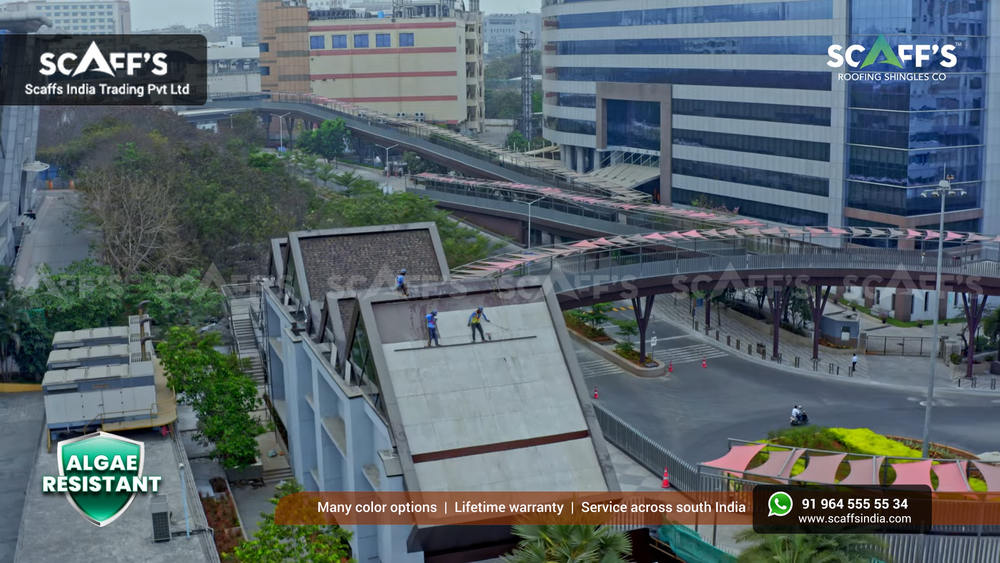
Shopping malls are large commercial spaces that welcome hundreds or thousands of visitors every day. Their roofing systems must provide reliable weather protection, maintain comfortable indoor conditions and support the daily operations of shops, restaurants, entertainment areas and common spaces.
In Kerala, shopping mall roofing requires particular attention because of heavy monsoon rainfall, humidity, heat and changing weather conditions. A well-planned roof can help protect the building, improve visitor comfort and reduce long-term maintenance requirements.
Whether you are constructing a new shopping mall or upgrading an existing commercial property, choosing the right roofing design is an important investment.
1. Choose a Roofing System Suitable for Large Commercial Buildings
Shopping malls often have wide roof spans, multiple floors and different functional areas. The roofing system should be selected according to the building’s structure, size, architectural design and intended use.
Some common roofing considerations include:
Structural steel truss systems for large roof spans.
Suitable roofing sheets or panels based on project requirements.
Insulation systems to help control indoor temperatures.
Waterproofing solutions for areas exposed to rain.
Roofing materials selected for durability and maintenance requirements.
The right combination depends on the building design and engineering requirements. A professional assessment can help identify a suitable solution.
2. Plan Effective Rainwater Drainage
Heavy rainfall is one of the major challenges for commercial buildings in Kerala. Shopping mall roofs must be designed to collect and direct rainwater safely away from the structure.
Poor drainage can cause water accumulation, leakage, damage to ceilings and deterioration of roofing components.
Important drainage considerations include:
Providing suitable roof slopes wherever required.
Installing properly sized gutters and downpipes.
Avoiding unnecessary water collection points.
Providing drainage outlets at appropriate locations.
Scheduling regular cleaning of gutters and drainage systems.
Proper rainwater management helps protect the roofing structure and reduces the risk of water-related problems.
3. Improve Indoor Temperature and Ventilation
Large commercial buildings can experience heat buildup, especially during warmer months. A poorly designed roofing system may allow excessive heat to enter the building, affecting visitor comfort and increasing air-conditioning requirements.
Shopping mall roofing should consider thermal performance and ventilation from the planning stage.
Useful approaches include:
Selecting roofing materials with suitable thermal properties.
Considering insulation beneath the roof covering.
Providing appropriate ventilation in roof spaces.
Using suitable reflective roofing finishes where practical.
Coordinating roofing design with the building’s HVAC system.
A properly planned roofing solution can contribute to a more comfortable indoor environment.
4. Give Special Attention to Food Courts and Entertainment Areas
Shopping malls contain different spaces with different roofing requirements. Food courts, cinemas, children’s play areas and entertainment zones may require additional planning.
For example, food courts can generate heat, moisture and cooking-related exhaust. These areas need suitable ventilation and coordination between the roofing design and mechanical systems.
Consider the following:
Plan exhaust outlets without compromising roof waterproofing.
Provide suitable ventilation arrangements.
Protect roof openings against rainwater entry.
Coordinate equipment placement with structural requirements.
Ensure maintenance access to rooftop systems.
Planning these requirements early can reduce installation difficulties and future maintenance problems.
5. Consider Roof Safety and Maintenance Access
Shopping mall roofs may contain air-conditioning equipment, ventilation systems, water tanks, solar installations and other building services.
Maintenance teams need safe access to inspect and service these components. Roofing projects should consider access routes, walkways and suitable safety arrangements.
Important points include:
Providing designated maintenance access.
Planning safe routes around rooftop equipment.
Avoiding unnecessary movement over fragile roofing materials.
Installing suitable safety systems where required.
Keeping access points clear for inspection and repairs.
Safety arrangements should follow applicable building regulations and professional engineering recommendations.
6. Select Materials That Can Handle Kerala’s Climate
Kerala’s climate exposes roofing materials to rainfall, humidity, sunlight and temperature changes. Material selection should consider how well the roofing system can perform under these conditions.
Before selecting materials, evaluate:
Resistance to corrosion and moisture.
Durability under local weather conditions.
Suitability for the building’s structural design.
Maintenance and replacement requirements.
Availability of compatible roofing accessories.
The quality of fasteners, flashing, joints and waterproofing details is also important. Even good roofing materials may experience problems if installation is not carried out correctly.
7. Plan Future Expansion and Rooftop Installations
Modern shopping malls may require additional rooftop equipment or future upgrades. These could include solar panels, HVAC units, communication equipment and other building services.
The roofing system should be planned with these requirements in mind.
Before installing additional equipment, consider:
The roof’s structural load capacity.
Suitable locations for rooftop installations.
Waterproofing around penetrations and supports.
Access for future maintenance.
Coordination with structural and electrical professionals.
Never install heavy equipment without checking the roof’s structural capacity.
Common Shopping Mall Roofing Mistakes to Avoid
Some roofing problems occur because important requirements are overlooked during planning or installation.
Avoid these common mistakes:
Choosing roofing materials based only on initial cost.
Ignoring Kerala’s heavy monsoon conditions.
Providing inadequate rainwater drainage.
Overlooking insulation and ventilation.
Failing to plan maintenance access.
Installing rooftop equipment without structural assessment.
Neglecting joints, flashing and waterproofing details.
A detailed roofing plan and professional installation can help reduce these risks.
Frequently Asked Questions
1. What is the best roofing system for a shopping mall in Kerala?
The suitable roofing system depends on the mall’s size, structural design, roof span, architectural requirements and budget. A professional assessment is necessary before selecting roofing materials and systems.
2. How can shopping mall roofs handle heavy monsoon rainfall?
Proper roof slopes, appropriately sized gutters, downpipes and drainage outlets help manage heavy rainfall. Regular cleaning and inspection are also important.
3. Does shopping mall roofing require insulation?
Insulation can help reduce heat transfer through the roof and improve indoor comfort. The appropriate insulation type and thickness depend on the building design and performance requirements.
4. Can solar panels be installed on shopping mall roofs?
Yes, solar panels may be installed if the roof structure can safely support the additional load. A structural assessment and proper waterproofing arrangements are essential.
5. How often should a shopping mall roof be inspected?
Inspection frequency depends on the roofing system, building conditions and manufacturer’s recommendations. It is particularly useful to inspect the roof before and after the monsoon season and after severe weather events.
Choose the Right Roofing Solution for Your Commercial Building
A shopping mall requires a roofing system that supports safety, comfort, durability and efficient building operations. From material selection and drainage planning to ventilation and maintenance access, every detail contributes to long-term roof performance.
At Scaffs India, we understand the importance of quality roofing solutions for residential and commercial buildings. Our team can help you explore suitable roofing options based on your project requirements.
Planning a new commercial building or upgrading an existing roof? Contact Scaffs India to discuss your roofing requirements.