
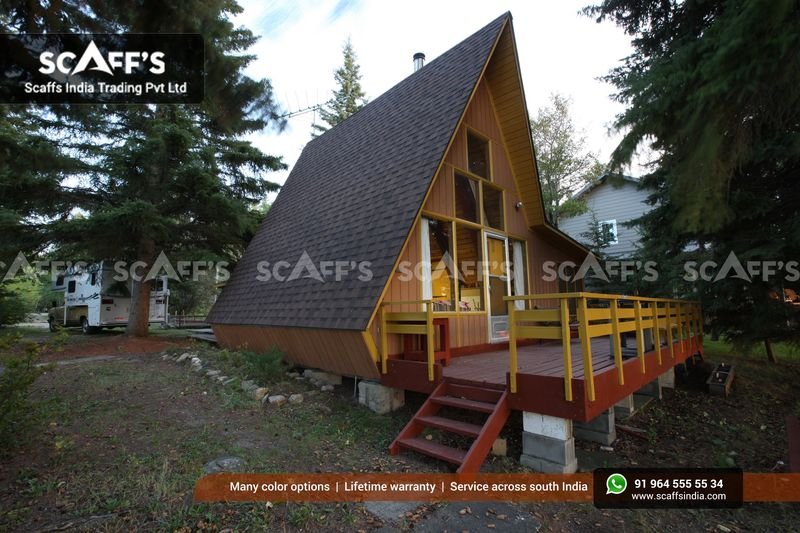
A comfortable and attractive property can make a strong first impression on guests. Whether you are building a traditional Kerala homestay, a contemporary holiday villa or a small rental property, the roof plays an important role in the building’s appearance, weather protection and maintenance requirements.
Choosing the right roofing for homestays in Kerala requires careful consideration of the local climate, guest comfort, architectural style and long-term operating costs. Heavy seasonal rainfall, humidity and strong sunlight can influence the roofing materials and design decisions suitable for your property.
A well-planned roof can also help make property maintenance more manageable between guest visits. However, the right solution depends on the building design, budget and intended use.
Here are seven important roofing considerations for homestay owners and property developers.
1. Choose a Roof Design That Matches Your Property’s Style
The roof is one of the most visible features of a holiday home or homestay. Its design should complement the architecture and create a welcoming appearance.
Traditional Kerala-inspired properties may feature sloped roofs with broad eaves, while contemporary villas may use clean rooflines and modern materials.
Gable, hip and mono-pitch roofs are among the designs worth considering, depending on the building layout and architectural requirements.
When selecting a roof design, consider how it will complement the exterior walls, balconies, windows, entrances and outdoor seating areas.
For properties promoted through booking platforms, attractive exterior photography can also contribute to the overall presentation of the accommodation.
However, appearance should not be the only consideration. The roof must also meet structural requirements, manage rainwater effectively and remain accessible for necessary maintenance.
Discuss the proposed design with your architect and roofing contractor before finalising the plans.
2. Prioritise Rain Protection During Kerala’s Monsoon
Rainwater management is one of the most important considerations when planning roofing for a homestay in Kerala.
Water entering guest rooms, corridors or common areas can disrupt bookings and create additional repair work. Persistent moisture may also affect ceilings, interior finishes and stored belongings.
The roofing system should be designed to direct rainwater away from vulnerable parts of the building.
Important details include roof slope, underlayment where required, flashing at junctions, roof valleys, gutters and downpipes.
Special attention should be given to areas where the roof meets walls, chimneys or other structures. These junctions require appropriate detailing to reduce the risk of water entry.
If your property has multiple roof sections, ensure that the drainage arrangements account for how water flows from one section to another.
A roofing professional can assess the building and recommend an appropriate system based on its design and exposure to rainfall.
3. Select Materials That Suit Your Budget and Maintenance Plan
The cheapest roofing material is not always the most economical choice over the life of a property.
Homestay owners should compare the initial installation cost with the expected maintenance requirements, material suitability and availability of replacement components.
Depending on the design, options may include roofing shingles, metal sheets and roof tiles. Each has different installation requirements, visual characteristics and maintenance considerations.
When evaluating materials, ask about:
Suitability for the proposed roof slope.
Performance under the expected weather conditions.
Supporting structure and installation requirements.
Availability of compatible accessories.
Product warranty terms and exclusions.
Maintenance procedures and replacement options.
For a property that welcomes guests throughout the year, it is useful to understand how roofing repairs might be arranged if a problem occurs.
Choose a roofing system based on the complete project requirements rather than comparing material prices alone.
4. Consider Indoor Comfort in Guest Rooms
Guest comfort is an important part of running a successful accommodation property.
Rooms directly beneath the roof may become uncomfortable during hot weather if the roof assembly does not adequately manage heat. The result depends on several factors, including roof orientation, insulation, ventilation, ceiling construction and the materials used.
When planning a new homestay, discuss thermal comfort with your architect before finalising the roofing system.
Depending on the building design, possible measures include suitable insulation, appropriate roof ventilation and carefully selected roofing materials.
Ventilation openings must be designed correctly so that they support airflow without creating unnecessary pathways for rainwater or pests.
The roof should also be considered alongside the building’s windows, shading and overall ventilation strategy.
Planning these elements together may help create more comfortable indoor spaces and reduce the need for later modifications.
5. Design Verandas and Outdoor Seating Areas Carefully
Verandas, covered entrances and outdoor seating areas can make a homestay more inviting.
A suitable roof extension can provide shade and help protect these spaces from rainfall, allowing guests to enjoy the surroundings when the weather permits.
When planning a covered outdoor area, consider the roof’s height, projection, supporting structure and drainage arrangements.
Rainwater should not discharge directly onto entrances, steps or walking paths where it could create inconvenience or slippery surfaces.
The design should also account for the property’s orientation, surrounding buildings and available outdoor space.
If you are adding a veranda roof to an existing property, make sure the new structure is properly assessed and connected to the building.
A well-integrated design can improve the property’s appearance while making outdoor spaces more practical for everyday use.
6. Make Roof Maintenance Easier Between Guest Stays
Regular property maintenance is essential for accommodation businesses. Roofing should be included in the maintenance plan rather than inspected only when a problem becomes visible indoors.
Before each major rainy season, arrange appropriate checks of accessible roof components and drainage systems.
Pay attention to visible signs such as displaced roofing materials, damaged flashing, blocked gutters and water stains on ceilings.
After severe weather, consider a professional inspection if the building may have been affected.
For properties surrounded by trees or dense vegetation, leaves and other debris may accumulate in drainage channels. These areas may require more frequent attention depending on local conditions.
Keep records of inspections, repairs and any replacement materials used. This can help you identify recurring issues and organise future maintenance.
Do not attempt to climb onto the roof without suitable training and safety arrangements. Use a qualified professional for inspections or repairs that involve working at height.
7. Plan for Long-Term Operating Costs and Guest Safety
A roofing decision affects more than the construction budget. It can also influence future repair requirements, maintenance access and the way the property is used.
Before finalising your roofing quotation, review the complete scope of work and confirm which materials, accessories and installation services are included.
Ask the contractor to explain the applicable product warranty, any separate workmanship coverage and the procedure for reporting potential defects.
Also consider how maintenance activities will be carried out without unnecessarily disrupting guest stays.
If roof-mounted equipment, water tanks or solar installations are planned, their placement and supporting requirements should be assessed before installation.
Guest safety should remain a priority. Water discharge should be managed around entrances and walkways, while maintenance work should be organised to keep guests away from active work areas.
A clear maintenance plan can help property owners manage these responsibilities more consistently.
Common Roofing Mistakes Homestay Owners Should Avoid
When planning a homestay or rental property, overlooking roofing details can lead to unnecessary inconvenience and expense.
Here are four common mistakes to avoid:
1. Choosing materials based only on appearance: A visually attractive roof must also suit the building design, local conditions and maintenance plan.
2. Overlooking drainage: Poorly planned gutters, downpipes and roof junctions can contribute to water-related problems.
3. Ignoring indoor comfort: Insulation and ventilation should be considered during the design stage, particularly for rooms directly beneath the roof.
4. Delaying maintenance: Small visible problems may become more difficult to address if inspections and repairs are postponed.
Careful planning can help property owners avoid these common oversights.
Frequently Asked Questions
Which roofing material is suitable for a homestay in Kerala?
The right material depends on the property’s architecture, roof slope, budget, weather exposure and maintenance requirements. Roofing shingles, metal sheets and tiles are possible options for suitable designs. Compare the complete roofing system before making a decision.
Are roofing shingles suitable for holiday villas?
Roofing shingles may be suitable for a villa when the selected product is compatible with the roof slope and supporting structure. Correct installation and appropriate underlayment and flashing details are important.
How can I reduce heat in rooms directly beneath the roof?
Depending on the building design, suitable insulation, roof ventilation and material selection may help manage indoor heat. The complete roof assembly should be evaluated rather than relying on the surface material alone.
How often should a homestay roof be inspected?
Inspection frequency depends on the roofing system, exposure to weather and manufacturer recommendations. Regular checks before and after periods of severe weather can help identify visible problems early. Arrange professional inspections when necessary.
What should I check before hiring a roofing contractor?
Review the contractor’s relevant experience, written quotation, material specifications, installation scope, expected schedule and applicable warranty terms. Ask questions about drainage, maintenance access and how unexpected issues will be handled.
Choose Roofing That Supports Your Homestay’s Long-Term Value
A well-designed roof can contribute to a property’s appearance, weather protection and indoor comfort. For homestay owners, these considerations are especially important because the building must remain welcoming and functional for guests while being practical to maintain.
By selecting suitable materials, planning drainage carefully and arranging regular inspections, property owners can make more informed roofing decisions.
Scaffs India provides roofing-related services, including roofing shingle installation and truss roofing. If you are developing a homestay, holiday villa or rental property in Kerala, discuss your building design, material preferences and installation requirements with the team.
Plan your roofing system around your property’s design, local weather conditions and long-term maintenance needs to create a more practical and welcoming accommodation space.