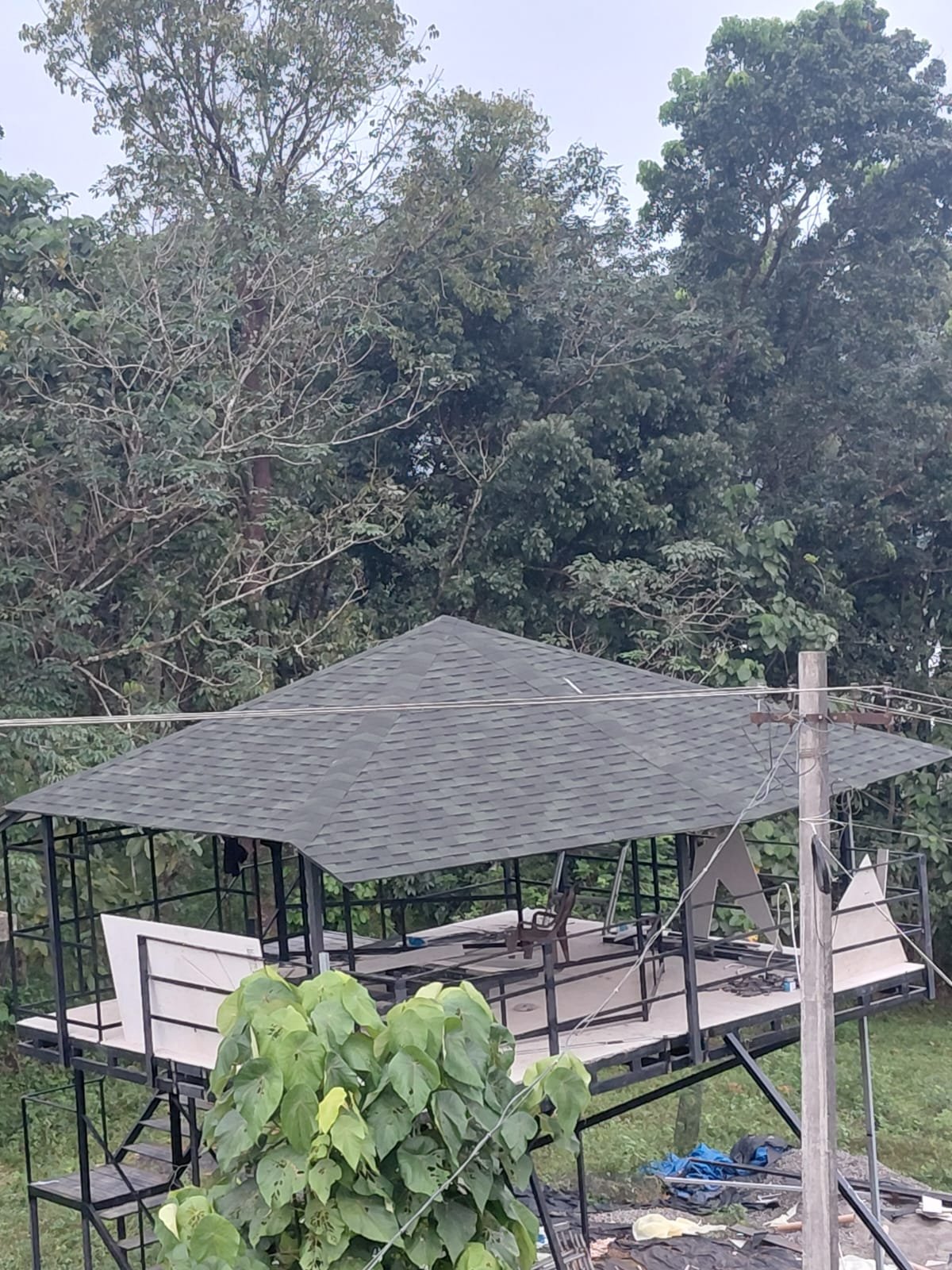
Effluent treatment plants (ETPs) play an important role in treating industrial wastewater before it is reused or discharged according to applicable requirements. These facilities are commonly found in manufacturing units, food processing plants, textile industries, chemical facilities and other industrial establishments. Choosing suitable Effluent Treatment Plant Roofing in Kerala is important for protecting equipment, supporting maintenance activities and creating a functional treatment facility.
Kerala’s heavy monsoon rainfall, high humidity and warm temperatures make roofing an important part of ETP building design. Treatment facilities may also contain moisture, chemical vapours and equipment that require specific environmental conditions. Here are seven important factors to consider when planning roofing for an effluent treatment plant.
1. Select Roofing Materials Suitable for Industrial Environments
ETP buildings may be exposed to moisture, chemical vapours and demanding operating conditions. Roofing materials should be selected according to the specific environment within each treatment area.
Possible roofing options include:
Coated metal roofing sheets: May be suitable where the coating is compatible with the site’s exposure conditions.
Galvanised steel roofing: Can provide corrosion protection when correctly specified and maintained.
Insulated roofing panels: Can help reduce heat transfer where thermal performance is required.
Specialised corrosion-resistant systems: May be appropriate in areas with aggressive chemical exposure.
Concrete roofing: Can be considered for enclosed treatment buildings where structurally suitable.
Material selection should be based on a site-specific corrosion assessment rather than appearance or initial cost alone.
2. Consider Corrosion Protection
ETP facilities can contain moisture and chemical substances that may accelerate corrosion of exposed roofing and structural components.
Important considerations include:
Selecting suitable protective coatings.
Assessing chemical exposure in different treatment areas.
Protecting structural connections and fasteners.
Using compatible materials for roof accessories.
Inspecting exposed surfaces periodically.
Repairing damaged protective coatings promptly.
A corrosion protection strategy should consider the chemicals used, operating conditions and expected exposure levels.
3. Plan Adequate Ventilation
Some treatment processes can produce odours, moisture and gases. Roofing arrangements should accommodate the ventilation requirements of the facility.
Consider incorporating:
High-level ventilation openings.
Roof ventilators where appropriate.
Mechanical exhaust systems where required.
Suitable ventilation duct routes.
Weatherproof sealing around roof penetrations.
Adequate airflow around equipment.
Ventilation requirements depend on the treatment process and possible airborne hazards. Areas with potentially hazardous gases require professionally designed ventilation and monitoring systems.
4. Protect Equipment from Heavy Monsoon Rainfall
ETP facilities contain pumps, motors, control panels, pipes and other equipment that need suitable weather protection.
Important roofing considerations include:
Appropriate roof slopes.
Secure roofing sheet connections.
Properly sealed roof joints.
Suitable gutters and downpipes.
Waterproofing around service penetrations.
Effective drainage around the treatment facility.
Roofing should be coordinated with the layout of electrical equipment and maintenance areas to reduce the risk of water entering sensitive spaces.
5. Design a Suitable Structural Support System
Industrial treatment facilities may require roofs over equipment areas, chemical storage sections, pump rooms and operational buildings.
Structural planning should consider:
Professionally engineered roof-support systems.
Suitable columns and foundations.
Secure structural connections.
Appropriate bracing arrangements.
Wind-load and rainfall considerations.
Corrosion protection for exposed structural components.
A qualified structural engineer should assess the structure according to its dimensions, loading requirements and environmental exposure.
6. Plan Maintenance Access and Equipment Clearance
ETP facilities require regular inspection, cleaning, servicing and equipment replacement. Roofing should not interfere with these activities.
Consider providing:
Sufficient headroom above equipment.
Access for pump and motor maintenance.
Space for lifting and equipment replacement.
Safe access for roof inspections.
Accessible gutters and drainage components.
Suitable clearance around pipelines and service installations.
The roof design should be coordinated with the treatment plant layout before construction begins.
7. Consider Natural Lighting and Long-Term Maintenance
Good lighting helps operators monitor equipment and carry out routine inspection activities. Roofing can also be planned to support daylight and reduce maintenance difficulties.
Consider these provisions:
Suitable translucent roof panels where appropriate.
Diffused natural daylight openings.
Energy-efficient industrial lighting.
Proper waterproofing around roof openings.
Regular cleaning of gutters and downpipes.
Periodic inspection of roofing sheets and structural connections.
Any daylight panels should be selected for the facility’s exposure conditions and installed with appropriate weatherproofing.
Common Roofing Mistakes to Avoid
When planning effluent treatment plant roofing in Kerala, avoid these common mistakes:
Selecting roofing materials without assessing chemical exposure.
Ignoring corrosion protection.
Restricting ventilation in treatment areas.
Neglecting monsoon drainage.
Providing insufficient equipment clearance.
Failing to plan maintenance access.
Overlooking waterproofing around pipes and service openings.
Careful planning can help protect the treatment facility and support its long-term operation.
Frequently Asked Questions
1. What roofing materials are suitable for an effluent treatment plant in Kerala?
The best option depends on the treatment process, chemical exposure, building design and budget. Coated metal sheets, insulated panels and specialised corrosion-resistant systems may be considered for suitable areas.
2. Why is corrosion protection important for ETP roofing?
Moisture and chemical vapours can accelerate corrosion in some industrial environments. Suitable materials and protective coatings can help improve the durability of roofing and structural components.
3. Does an effluent treatment plant need roof ventilation?
Ventilation may be necessary to manage heat, moisture and process-related gases. The system should be designed according to the treatment process and potential airborne hazards.
4. Can insulated roofing panels be used in treatment plants?
Yes. Insulated panels may help reduce heat transfer in suitable buildings. Their chemical resistance and compatibility with the operating environment should be assessed before selection.
5. How often should ETP roofing be inspected?
Periodic inspections are recommended, especially before and after the monsoon season. Check roofing sheets, protective coatings, fasteners, joints, gutters and drainage systems.
Conclusion
Effluent treatment plant roofing in Kerala requires careful planning to address moisture, chemical exposure, ventilation and heavy rainfall. Selecting suitable materials, providing corrosion protection and coordinating the roof with equipment and maintenance requirements can help create a durable industrial facility.
Scaffs India can help explore suitable roofing options based on your treatment facility’s requirements, building design and budget. Contact Scaffs India to discuss roofing solutions for your industrial property.