
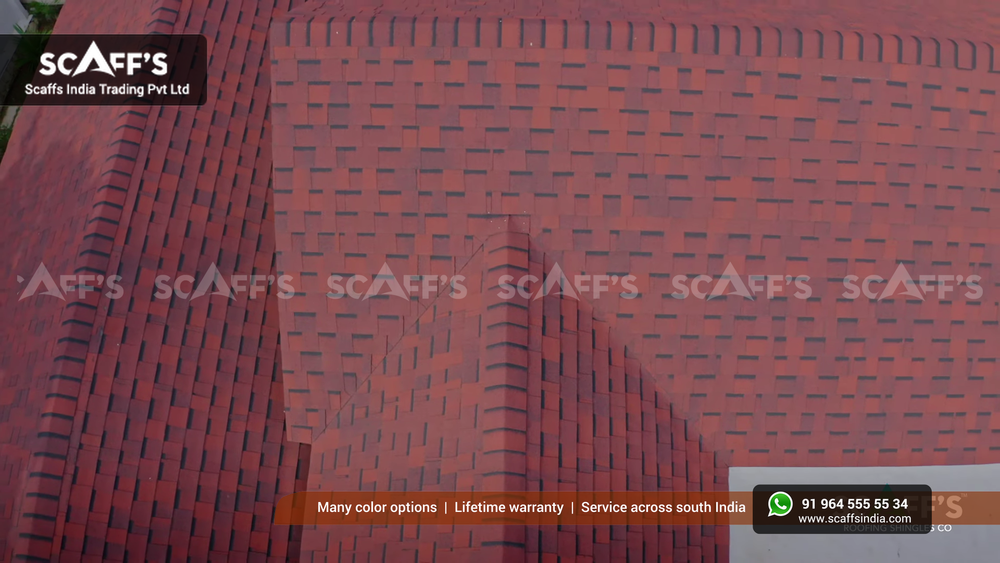
A resort’s roof plays an important role in defining its architectural character while protecting guests, interiors and outdoor living spaces. In Kerala, where resorts often feature tropical landscaping, open verandas and nature-inspired architecture, roofing needs to balance visual appeal with practical performance.
Choosing the right roofing system involves more than selecting an attractive design. Resort owners must consider rainfall, humidity, indoor comfort, maintenance access and the long-term needs of the property. A suitable roof can complement the resort’s overall design while helping protect rooms, restaurants, reception areas and recreational spaces.
Whether you are building a new holiday resort or renovating an existing property, these seven tips can help you plan your roofing project more effectively.
1. Choose a Roof Design That Complements the Resort
Roof design contributes significantly to the appearance and identity of a resort. Traditional Kerala-inspired properties may feature sloped roofs with broad eaves, while contemporary resorts may use clean rooflines and modern architectural finishes.
The design should complement the building’s overall architecture, landscape and intended guest experience. Roofing materials, colours and profiles should work together rather than appear as separate design elements.
Popular roof styles to consider include:
Gable roofs: A practical option for many buildings, with two sloping sides meeting at a ridge.
Hip roofs: Slopes on all sides create a balanced appearance that suits various architectural styles.
Contemporary mono-pitch roofs: A single slope can complement minimalist villas and modern resort buildings.
Multi-slope roofs: Different roof sections can help define separate accommodation blocks or shared facilities.
The final choice should also account for the building layout, structural requirements, drainage and installation complexity. An architect or roofing professional can help determine which design suits the property.
2. Prioritise Protection from Kerala’s Rainfall
Resorts in Kerala experience seasonal heavy rainfall, making roof detailing and water management important considerations.
The roofing system should be designed to direct water away from the building through appropriate roof slopes, gutters, drainage outlets and flashing. Connections around chimneys, skylights, roof valleys and adjoining walls also require careful detailing where applicable.
For resorts with multiple accommodation blocks, inspect each roof section separately during planning. Differences in roof height and slope can influence how water moves across the property.
Before approving a design, ask the contractor to explain how rainwater will be collected and discharged. The drainage arrangement should help prevent unwanted water accumulation near entrances, walkways and building foundations.
Regular inspections and cleaning can help keep drainage components working as intended. Any recurring leakage should be investigated to identify its underlying cause.
3. Select Roofing Materials for Appearance and Practicality
Roofing materials have a major influence on a resort’s appearance, maintenance needs and suitability for local weather conditions.
Roofing shingles, metal roofing and other suitable roof coverings may be considered depending on the building’s design and structural requirements. Each option has different installation methods, visual characteristics and maintenance considerations.
When comparing materials, consider:
Appearance: Does the material complement the resort’s architectural style?
Weather suitability: Is the product appropriate for the intended roof design and local exposure?
Installation: Are compatible accessories and experienced installers available?
Maintenance: What inspections and repairs may be required?
Warranty: What conditions, exclusions and maintenance requirements apply?
Resort owners should evaluate the complete roofing system rather than selecting materials based on photographs or price alone.
For sloped roofs, make sure the selected material is compatible with the roof pitch and supporting structure. Product specifications and professional recommendations should guide the final decision.
4. Plan for Guest Comfort in Every Season
Guest comfort is an important part of a resort’s overall experience. Rooms beneath a roof can become warm if heat management and ventilation are overlooked.
Depending on the building design, suitable insulation, roof ventilation and carefully selected roofing materials may help manage heat entering indoor spaces. The best approach will depend on the roof structure, ceiling arrangement, room layout and whether air-conditioning is used.
Consider how different areas of the resort will be used. Guest bedrooms, dining spaces, reception areas and covered outdoor seating may have different comfort requirements.
Discuss these requirements with the architect and building services team before construction begins. Coordinating the roofing system with ventilation and cooling plans can help avoid expensive modifications later.
5. Design Verandas and Outdoor Areas Carefully
Verandas, balconies, outdoor dining areas and covered walkways are valuable features in many Kerala resorts. Their roofs can provide shelter while creating comfortable transitions between indoor and outdoor spaces.
When planning these areas, consider the roof projection, drainage route, support structure and clearance for doors and windows. The design should also account for wind exposure and the movement of rainwater during heavy showers.
A covered outdoor dining space, for example, needs sufficient protection from rain without compromising the intended openness and views. Guest walkways should also be planned to limit water dripping or flowing across frequently used paths.
Select materials and detailing that complement the main building while meeting the practical requirements of each outdoor area.
6. Make Maintenance Easy to Manage
Resort roofs need regular attention to help identify damage, blocked drainage components and signs of water entry. Maintenance planning is particularly important for properties with several buildings or extensive landscaping.
Leaves and branches can accumulate in gutters, while nearby trees may restrict access to certain roof areas. Maintenance teams should know which components need inspection and how to arrange the work safely.
A practical maintenance checklist includes:
Roof covering: Check for visible damage or displaced components.
Drainage: Inspect accessible gutters, downpipes and outlets for blockages.
Junctions: Look for visible deterioration around flashing and roof connections.
Interior areas: Investigate damp patches, ceiling stains and recurring leaks.
Maintenance records: Record inspection dates, repair details and warranty information.
The inspection schedule should reflect the roof type, age, exposure and manufacturer’s recommendations. Additional checks may be needed after severe weather or when problems are reported.
Roof inspections should be carried out by trained personnel using suitable safety arrangements.
7. Balance Initial Investment with Long-Term Value
Roofing is a significant part of a resort’s construction or renovation budget. However, the lowest initial quotation may not provide the best overall value.
Ask contractors for detailed proposals that specify the materials, installation method, preparation work, drainage components, labour charges and exclusions. The quotation should also explain the expected project schedule, warranty terms and procedures for handling unexpected issues.
For an operating resort, consider how the work will affect guest accommodation, restaurant operations, access routes and bookings. Where possible, coordinate construction with planned maintenance periods or lower-occupancy dates.
Compare quotations with equivalent scopes of work and consider future maintenance requirements alongside the initial cost.
A clearly documented project plan can help property owners evaluate proposals, coordinate contractors and manage the roofing work more effectively.
Common Resort Roofing Mistakes to Avoid
Before approving your resort roofing project, avoid these common mistakes:
Choosing appearance over suitability: An attractive roof must also suit the structure, climate and intended use.
Overlooking drainage details: Poorly planned water discharge can contribute to leaks and moisture problems.
Ignoring indoor comfort: Roof insulation and ventilation should be considered during the design stage.
Leaving maintenance until problems appear: Regular inspections can help identify visible issues earlier.
Considering these factors from the beginning can help create a roofing plan that balances design, practicality and ongoing property management.
Frequently Asked Questions
Which roofing style is suitable for a resort in Kerala?
The best style depends on the resort’s architecture, roof layout, structural requirements and budget. Gable, hip and mono-pitch roofs are among the options that can be evaluated with an architect or roofing professional.
Are roofing shingles suitable for resort buildings?
Roofing shingles may be suitable for certain resort buildings with compatible sloped roof structures. The roof pitch, supporting deck, underlayment, installation details and product specifications should be assessed before choosing a system.
How can resort owners reduce roof leakage problems?
Start with suitable roof design and installation, including careful detailing around junctions and effective drainage. Regular inspections and prompt investigation of recurring leaks can help identify problems before more extensive repairs are needed.
How often should a resort roof be maintained?
The appropriate schedule depends on the roof system, its age, exposure and manufacturer guidance. Resort managers should establish a routine inspection plan and arrange additional checks when damage or leakage is reported.
What should resort owners check before hiring a roofing contractor?
Review the contractor’s relevant experience, written quotation, material specifications, installation scope, safety arrangements, schedule and warranty conditions. For larger projects, have the proposed system reviewed by the appropriate design professional.
Plan Your Resort Roofing Project with Scaffs India
A well-planned roof can complement a resort’s architectural style while supporting the practical needs of guests and property managers. Careful material selection, effective drainage, attention to indoor comfort and regular maintenance are important parts of the planning process.
Scaffs India provides roofing-related services, including truss roofing, roofing installation and roof inspection. If you are developing a new resort or renovating an existing hospitality property in Kerala, discuss your requirements with an experienced roofing professional.
Explore the roofing services offered by Scaffs India to learn more about available solutions.