
Planning a new roof is an important stage of home construction or renovation. Along with selecting the right roofing material, homeowners need to understand how long the installation process may take and what could affect the schedule.
A roof installation timeline in Kerala depends on several factors, including roof size, structural design, material availability, weather conditions and site accessibility. A simple residential roofing project may require a different schedule from a large villa, commercial building or complex roof replacement.
Understanding these factors before work begins helps homeowners coordinate other construction activities, organise their budget and communicate effectively with their roofing contractor.
Here are seven important factors that can influence your roofing project’s timeline.
1. Roof Size and Design Complexity
The size and shape of your roof are among the first factors to consider when estimating installation time.
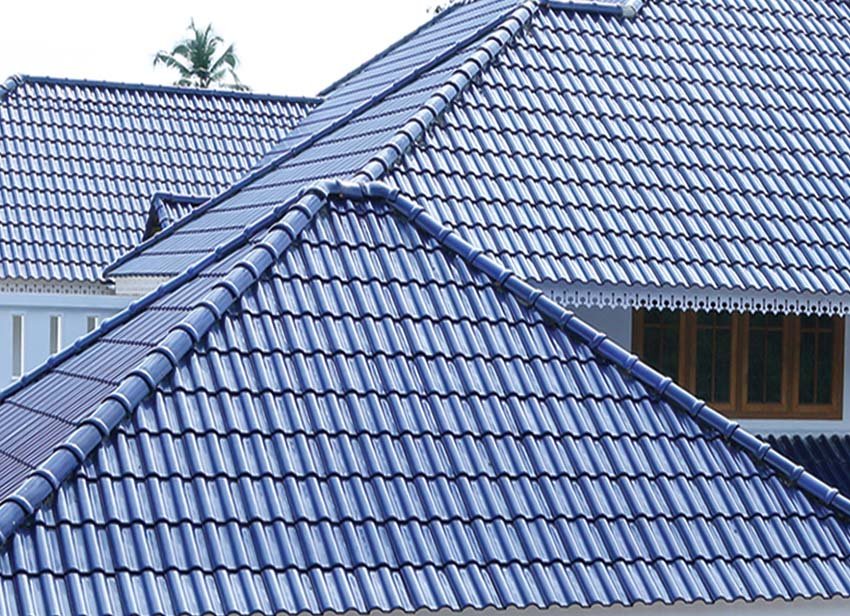
A straightforward roof with a simple slope may be easier to plan and install than a design containing multiple ridges, hips, valleys, dormers or changes in roof direction.
Complex designs require additional attention to measurements, material cutting, junctions and finishing details. These areas must be planned carefully to ensure that the different roof sections work together correctly.
Before work begins, ask your contractor to assess the complete roof design rather than estimating the schedule based only on the building’s floor area.
Planning tip: Share your architectural drawings and any design changes with the roofing contractor before the final schedule is prepared.
2. Roof Framework and Structural Preparation
The condition and readiness of the supporting structure can significantly affect the installation schedule.
For a newly constructed house, the roofing team may need to wait until the supporting walls, beams or other required structural elements are ready. Depending on the design, the project may also require truss fabrication, structural connections and roof-deck preparation.
For an existing building, the contractor may need to inspect the current roof, identify damaged components and determine whether repairs or modifications are necessary.
Unexpected structural issues can require additional work before the roofing material is installed.
It is important to confirm that the supporting structure is suitable for the proposed roofing system. Structural changes should be assessed by an appropriately qualified professional rather than decided solely on the basis of installation convenience.
3. Roofing Material Availability
The availability of roofing materials can influence when installation begins and whether the project proceeds without interruptions.
Depending on the selected system, materials may include roofing shingles, roof trusses, underlayment, flashing, ridge components, fasteners and drainage accessories.
If a particular colour, profile or product specification must be sourced from another location, delivery may take additional time.
Incomplete deliveries can also interrupt installation if the team cannot finish a section without the required components.
Before confirming the start date, ask your contractor whether the main materials and necessary accessories are available.
It is also useful to verify that the delivered products match the approved quotation and project specifications.
Planning tip: Confirm material availability and expected delivery dates before arranging dependent construction activities.
4. Weather Conditions During Installation
Weather is an important consideration for roofing projects in Kerala, where heavy rainfall can affect outdoor construction schedules.
Rain may delay work that requires a dry surface or expose unfinished roof sections to moisture. Strong winds can also make certain roof-level activities unsafe.
The impact depends on the type of roofing system, the stage of construction and the precautions available at the site.
A responsible contractor should consider the weather forecast when planning exposed work and have suitable arrangements for protecting unfinished sections.
Homeowners should avoid pressuring workers to continue roof installation when weather conditions make the work unsafe.
If your project is planned during the monsoon season, discuss the possibility of interruptions and how the team will manage temporary weather protection.
5. Site Access and Material Handling
A roofing project requires suitable access for workers, equipment and material deliveries.
On properties with narrow approach roads, limited parking or restricted unloading areas, moving roofing materials to the work area may take longer than expected.
The contractor may need to coordinate delivery vehicles, identify a suitable storage location and plan how materials will be transferred safely.
Buildings surrounded by existing structures or located on steep plots may also require additional planning for access and equipment positioning.
Before installation starts, clear unnecessary items from the work area and discuss any restrictions that could affect material movement.
Good site preparation can help the team organise its work more efficiently.
6. Roof Replacement and Unexpected Repairs
Installing a roof on a new building can involve a different workflow from replacing an existing roofing system.
During a replacement project, the contractor may need to remove old materials, dispose of debris, inspect the underlying structure and repair any damaged components before installing the new system.
Some problems may only become visible after the existing roofing materials are removed.
For example, deteriorated roof decking, damaged structural members or previously concealed water damage may require additional attention.
These discoveries can change the original schedule because the affected areas should be assessed and repaired appropriately before installation continues.
Ask your contractor how unexpected repairs will be handled, how additional costs will be approved and how schedule changes will be communicated.
A clearly documented agreement can help prevent misunderstandings during the project.
7. Installation Quality and Final Inspection
The goal should not be to finish the roofing project as quickly as possible. The installation must also meet the agreed specifications and applicable manufacturer instructions.
Different roofing systems require different installation methods. For shingle roofing, for example, the supporting deck, underlayment, flashing, roof edges and ridge details all need appropriate attention.
Allow sufficient time for completing these details rather than treating them as optional finishing work.
Once installation is complete, arrange a final inspection with the contractor.
The inspection should cover visible installation quality, roof junctions, flashing, drainage arrangements and any agreed finishing items. Confirm that construction debris has been removed and that relevant product and warranty documents have been provided.
If any defects or incomplete work are identified, discuss the corrective action and completion schedule before closing the project.
How to Plan a More Realistic Roofing Schedule
Although every roofing project is different, homeowners can take several steps to make scheduling easier.
Finalise the design early: Changes made after installation planning can affect material quantities, labour requirements and the project schedule.
Confirm the scope of work: Make sure the quotation clearly describes the materials, structural work, accessories and finishing tasks included.
Check material availability: Confirm that the necessary products can be delivered before the planned start date.
Discuss weather contingencies: Agree on how rain and unsafe working conditions will be handled.
Coordinate other contractors: Plan the roofing schedule alongside electrical work, ceiling installation, painting and other dependent activities.
Keep communication clear: Identify the person responsible for progress updates and approvals.
Allow for unforeseen work: Avoid planning every construction activity around an unrealistically tight deadline.
A written schedule with major milestones is generally more useful than relying on a single estimated completion date.
Frequently Asked Questions
How long does roof installation take in Kerala?
There is no single timeline for every project. Installation duration depends on roof dimensions, design complexity, structural readiness, material availability, weather and the scope of work. Ask your contractor for an estimate based on your specific building.
Does roofing installation take longer during the monsoon?
It can. Rainfall may interrupt certain outdoor activities and require additional precautions to protect unfinished roof sections. The effect depends on the weather, project stage and roofing system.
Can roofing materials be installed before the entire structure is complete?
That depends on the building design and whether the supporting structure is ready and safe for installation. The contractor and relevant structural professional should confirm that the required work can proceed.
What can delay a roof replacement project?
Common causes include unexpected damage beneath the existing roof, additional structural repairs, material delivery delays, unsuitable weather and changes to the original design.
Should I choose a contractor based only on installation speed?
No. The contractor should also demonstrate a clear scope of work, appropriate installation practices, suitable safety arrangements and a willingness to explain the materials and warranty conditions. A realistic schedule is more valuable than an unsupported promise of rapid completion.
Plan Your Roofing Project With Confidence
A successful roofing project depends on more than the date installation begins. Proper preparation, material availability, structural readiness and attention to installation details all contribute to a more organised construction process.
By understanding the factors that affect your roof installation timeline, you can plan other building activities more effectively and prepare for possible delays without compromising safety or quality.
Scaffs India provides roofing-related services, including roofing shingle installation and truss roofing. If you are planning a new home or upgrading an existing property, discuss your roof design, material preferences and project requirements with the team before finalising the schedule.
A well-planned roofing project starts with clear expectations, suitable materials and a realistic timeline.