
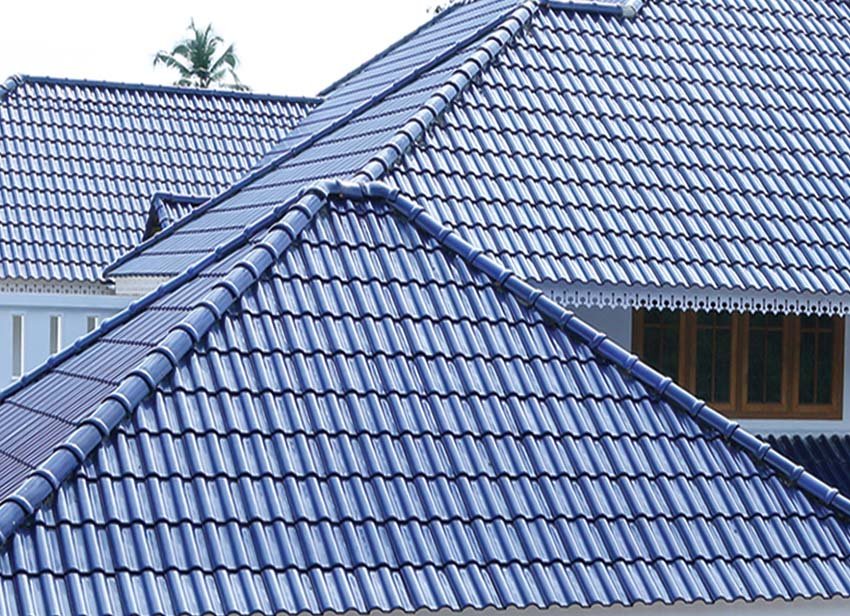
Planning to build a new home or upgrade your existing roof? Choosing the right roofing contractor can make a significant difference to your project’s quality, appearance, and long-term maintenance requirements.
In Kerala, roofs must be designed with local weather conditions in mind. Heavy monsoon rainfall, high humidity, and strong sunlight make proper material selection, waterproofing, drainage, and installation particularly important.
Whether you’re building a modern villa in Kochi, renovating a family home in Thrissur, or constructing a holiday cottage in Wayanad, selecting a suitable roofing professional is an important step towards achieving the results you want.
However, choosing a contractor based only on the lowest quotation can lead to problems if important materials, installation details, or structural requirements are overlooked.
Scaffs India provides roofing solutions, including architectural roofing shingles, truss roofing, and professional roofing installation. Before selecting a contractor for your project, here are nine important things every homeowner should consider.
1. Check the Contractor’s Roofing Experience
Roofing involves more than installing the visible outer material. The complete system may include structural supports, roof decking, underlayment, flashing, ventilation, and finishing components.
An experienced roofing contractor should understand how these elements work together and how the installation requirements change according to the selected roofing material.
Before hiring a contractor, ask about their experience with projects similar to yours.
For example, a contractor experienced in traditional tiled roofs may not necessarily have the same expertise in architectural roofing shingles or specialised truss roofing systems.
What Should You Ask?
- Have you completed projects similar to mine?
- Can I see photographs of your previous installations?
- Do you have experience with my preferred roofing material?
- Can you explain the installation process?
Reviewing relevant completed projects can help you understand the contractor’s workmanship and whether their experience matches your requirements.
2. Choose Roofing Materials Suitable for Kerala’s Climate
Kerala’s weather makes roofing material selection especially important.
A suitable roofing system should be selected according to the building’s location, roof design, pitch, exposure to rainfall, and maintenance requirements.
Roofing Shingles
Architectural roofing shingles are available in different colours and styles, making them an option for homeowners seeking a modern, layered roof appearance.
They can complement villas, contemporary homes, cottages, and other buildings with suitable sloping roofs.
However, the complete roofing system must be compatible with the selected shingles, including the supporting deck, underlayment, flashing, ventilation, and fastening arrangements.
Truss Roofing
The roof’s supporting framework is another important consideration.
A properly designed truss system can provide the structural framework needed for the proposed roof covering. Its design should account for the building layout, anticipated loads, material specifications, and applicable structural requirements.
Power/Cool Roofing Systems
Homeowners concerned about indoor heat may also consider a suitable cool roofing system.
Depending on the system and building design, appropriate roofing materials, ventilation, and insulation can help manage heat entering the home.
Before selecting a material, ask the contractor to explain its suitability, installation requirements, maintenance needs, and applicable warranty terms.
Explore the roofing solutions available from Scaffs India to learn more about its services.
3. Ask for a Detailed Roofing Quotation
A clear quotation helps you understand what you are paying for and makes it easier to compare different contractors.
A low initial estimate may not include every component required to complete the roof properly.
Before approving a quotation, check whether it covers:
- Roofing material and product specifications.
- Roof area and estimated material quantities.
- Supporting structures or truss work, where required.
- Underlayment and waterproofing components.
- Flashing, ridge caps, fasteners, and other accessories.
- Installation labour.
- Transportation and site-related charges.
- Taxes and any additional expenses.
- Applicable product and workmanship warranties.
Ask the contractor to identify any exclusions clearly.
For example, if structural repairs or replacement of damaged roof decking are not included, you should understand how those additional costs will be handled if they become necessary.
A detailed quotation provides a clearer basis for comparing quality, scope, and total project cost.
4. Review Previous Roofing Projects
Photographs and completed projects can help you assess whether a contractor’s work meets your expectations.
Look for examples involving the same roofing material, a similar roof shape, or a comparable building type.
Pay attention to the overall finish and visible details around roof edges, ridges, valleys, and junctions.
If possible, ask whether the contractor can provide references from previous customers.
For homeowners in Kochi, Kannur, Kottayam, or other parts of Kerala, locally completed projects may also help you understand the contractor’s familiarity with regional construction conditions.
Scaffs India showcases roofing installations and project examples on its website. You can explore its roofing projects and installation work for inspiration when planning your own property.
5. Understand the Warranty Before Work Begins
A roofing warranty can provide important information about the protection available for your investment.
However, not all warranties cover the same things.
Depending on the product and agreement, you may encounter separate provisions for roofing material defects, installation workmanship, and specific components of the complete roofing system.
Before signing a contract, ask:
- What warranty applies to the roofing material?
- Is installation workmanship covered separately?
- What conditions or exclusions apply?
- Are there maintenance requirements?
- Who should be contacted if a problem occurs?
- What documents should be retained after installation?
Request written warranty information and keep copies of the product details, quotation, installation agreement, and relevant invoices.
Avoid assuming that a product’s advertised lifespan is the same as its warranty period.
Understanding the actual terms will help you make a more informed decision.
6. Make Sure Installation Quality Is a Priority
Even a good roofing product can perform poorly if it is installed incorrectly.
Roofing installation requires attention to the manufacturer’s instructions and the details of the complete system.
Common areas requiring careful attention include:
- Correct positioning and fastening of roofing materials.
- Suitable underlayment and waterproofing.
- Proper detailing around roof openings and junctions.
- Appropriate ridge and valley finishing.
- Effective rainwater drainage.
- Suitable ventilation where required.
- Safe working practices throughout installation.
These details are particularly important in Kerala, where poorly managed water entry can cause damage to ceilings, internal finishes, and other building components.
Before work starts, discuss the installation procedure and how the completed roof will be inspected.
A contractor should be able to explain the proposed work clearly rather than relying only on general promises about quality.
7. Consider the Roof Design and Your Home’s Appearance
Your roof plays an important role in the overall appearance of your property.
The right design can complement the building’s architecture while providing a practical roofing solution.
Popular Roof Designs to Consider
Gable roofs: A familiar design with two sloping sides. The roof pitch, drainage, and detailing should suit the building and local weather conditions.
Hip roofs: These have slopes on all sides and can complement both traditional and contemporary homes.
Hip-and-valley roofs: These combine multiple roof sections and can create a distinctive architectural appearance, although the junctions require careful detailing.
Mansard roofs: These feature two slopes on each side and may suit particular architectural styles and space-planning requirements.
Single-slope roofs: These provide a simple, contemporary appearance and may be suitable for extensions, smaller buildings, and modern architectural designs.
The best option depends on your building’s structure, design goals, drainage requirements, and budget.
Roofing shingles are available in different colours and styles, offering additional flexibility when planning the final appearance.
Discuss your preferred design with the roofing contractor before finalising the material selection.
8. Check Project Planning, Communication, and Safety
Roofing projects involve materials, labour, site access, and coordination with other construction activities.
Poor planning can create unnecessary delays and misunderstandings.
Before appointing a contractor, establish a clear understanding of the project schedule and responsibilities.
Ask about:
- Expected start and completion dates.
- Material procurement and delivery arrangements.
- Site access and storage requirements.
- Safety measures for working at height.
- Coordination with electricians, carpenters, or other contractors.
- Inspection and handover procedures.
- How variations or unexpected repairs will be approved.
Kerala’s monsoon season can also affect construction schedules. Depending on the project and weather conditions, some installation activities may need to be adjusted.
A clear communication process helps you understand the project’s progress and address issues before they become larger problems.
9. Choose a Roofing Company That Matches Your Project
The right roofing contractor should be able to explain the available options and help you understand what your property requires.
Scaffs India provides roofing shingles and roofing installation services across Kerala, with additional service coverage in other Indian states.
Its service offerings include:
- Architectural roofing shingles.
- Truss roofing.
- Power/cool roofing systems.
- Roofing installation.
- Roofing material selection and project consultation.
Whether you’re planning a new villa in Kochi, upgrading a home in Thrissur, or developing a cottage in Wayanad, the proposed roofing solution should match the building’s design and practical requirements.
Before proceeding, discuss your roof design, preferred material, approximate area, location, and project timeline.
You can learn more about the company’s services through the official Scaffs India website.
Frequently Asked Questions
1. How do I choose a good roofing contractor in Kerala?
Look for relevant experience, completed projects, clear quotations, suitable material knowledge, written warranty terms, and a well-defined installation process. Ask questions about the specific roofing system you intend to use.
2. How much does roofing installation cost in Kerala?
The cost depends on roof area, roofing material, structural requirements, design complexity, labour, accessories, and site conditions. Request a detailed quotation based on your property rather than relying on a general price estimate.
3. Which roofing material is suitable for homes in Kerala?
The right material depends on the building’s design, roof pitch, local weather exposure, budget, and maintenance preferences. Architectural shingles and other roofing systems should be assessed according to their installation requirements and compatibility with the building.
4. Are roofing shingles suitable for modern homes?
Roofing shingles can suit many modern homes with compatible sloping roof designs. They are available in different colours and styles, allowing homeowners to coordinate the roof with the building’s exterior.
5. Why is professional roofing installation important?
Correct installation helps ensure that roofing materials, waterproofing, flashing, fasteners, and other components work together as intended. Poor installation can create vulnerabilities that may lead to leaks or premature deterioration.
6. What should a roofing quotation include?
A quotation should clearly identify the materials, quantities, installation labour, accessories, structural work where applicable, transportation, taxes, warranty provisions, and exclusions.
7. Does Scaffs India provide roofing services in different parts of Kerala?
Scaffs India states that it provides roofing products and services across Kerala. Contact the company to confirm availability for your location and project requirements.
Conclusion: Build Your Roof With the Right Team
Choosing a roofing contractor is an important part of building or renovating your home. The right decision involves more than comparing prices: it requires evaluating experience, materials, installation quality, warranty terms, and the contractor’s ability to meet your project’s requirements.
For homeowners across Kerala, careful planning can help avoid misunderstandings, improve project coordination, and support a better-informed investment.
Whether you’re building a new home in Kochi, renovating a villa in Kottayam, or planning a cottage in Wayanad, take time to understand your roofing options before making a final decision.
Planning a new roof or renovation? Contact Scaffs India to discuss your project and explore suitable roofing materials and installation solutions.
Visit the Scaffs India website to learn more about its services and enquire about your roofing requirements.