
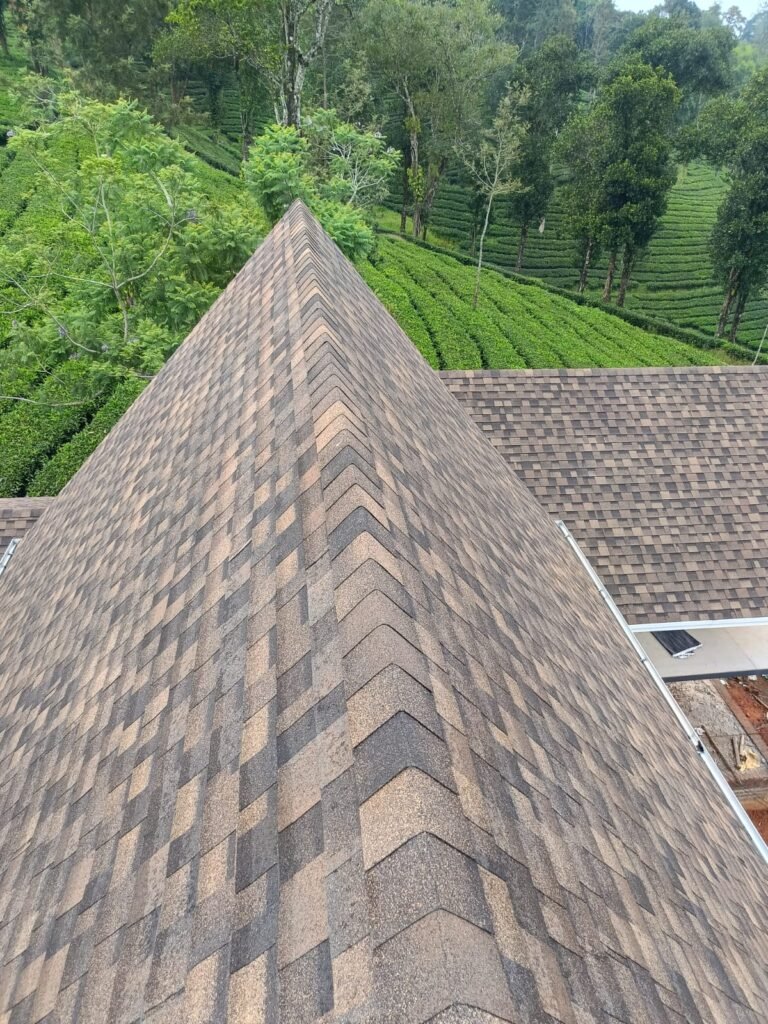
Industrial equipment staging areas are important spaces in manufacturing plants, construction sites, warehouses and engineering facilities. These areas are used to temporarily store, organise and prepare machinery, components and industrial materials before installation, transportation or further processing. Choosing suitable Industrial Equipment Staging Area Roofing in Kerala helps protect valuable equipment from rain, direct sunlight and environmental exposure.
Kerala’s heavy monsoon rainfall, high humidity and warm temperatures make roofing an important consideration for industrial staging areas. A well-planned roof should provide sufficient space for equipment movement, effective drainage, ventilation and reliable weather protection. Here are seven essential factors to consider when planning roofing for an industrial equipment staging area.
1. Select Durable Roofing Materials
Equipment staging areas may hold machinery, electrical components, fabrication materials and packaged equipment for extended periods. Roofing materials should be selected according to the site’s environmental conditions and storage requirements.
Suitable options to consider include:
Coated metal roofing sheets: Suitable for many industrial shed applications.
Galvanised steel roofing: Can provide corrosion protection when properly specified.
Insulated roofing panels: May help reduce heat transfer into the staging area.
Standing seam roofing: Can be considered for suitable large-span structures.
Protective roofing systems: May be necessary for facilities exposed to corrosive environments.
Material selection should consider durability, maintenance, structural weight, corrosion resistance and long-term performance.
2. Provide Adequate Space for Equipment Movement
Equipment staging areas often accommodate machinery of different dimensions, including large components that require forklifts, cranes or other handling systems.
The roofing structure and layout should provide:
Sufficient vertical clearance for equipment.
Wide entry points for machinery transportation.
Unobstructed movement between staging zones.
Adequate clearance around stored equipment.
Proper positioning of structural columns.
Space for future equipment requirements.
The roof design should be coordinated with the site’s material-handling equipment to avoid operational obstructions.
3. Protect Equipment from Rain and Humidity
Kerala’s monsoon season can expose stored machinery and industrial components to moisture, which may contribute to corrosion, packaging damage and deterioration.
Consider incorporating:
Proper roof slopes for rainwater runoff.
Weatherproof roofing joints.
Suitable roof overhangs.
Sealed connections around roof penetrations.
Effective gutter and downpipe arrangements.
Condensation-control measures where required.
Sensitive electrical components or machinery may require additional protective storage conditions beyond a standard roofed shed.
4. Improve Ventilation and Reduce Heat Buildup
Equipment staging areas can become hot, especially when large roofing structures have limited airflow. High temperatures may affect certain stored materials, equipment packaging and worker comfort.
Useful roofing provisions include:
Natural ventilation openings.
Suitable roof ventilators.
Insulated roofing panels.
Heat-reflective roof finishes where appropriate.
Open-sided shed arrangements where suitable.
Mechanical ventilation for specific operational needs.
Ventilation should be planned according to the equipment stored and the environmental conditions of the staging area.
5. Design the Roof Structure for Industrial Loads
Industrial staging sheds may require wide roof spans to accommodate large equipment and reduce obstructions inside the storage area.
Structural planning should consider:
Roof-support frame design.
Wind loads and uplift.
Roofing material weight.
Structural connections.
Foundation requirements.
Future expansion possibilities.
A qualified structural engineer should assess the structure based on the building dimensions, site conditions and applicable design requirements.
6. Plan Rainwater Drainage and Site Access
Roofing alone cannot prevent water-related problems if rainwater is not properly collected and discharged. Effective drainage is particularly important during Kerala’s heavy monsoon periods.
Important drainage considerations include:
Adequate roof slope.
Properly sized gutters.
Correctly positioned downpipes.
Controlled rainwater discharge.
Suitable ground-level drainage.
Prevention of water accumulation near storage zones.
The surrounding site should also be planned to support the movement of forklifts, trucks and other equipment during rainy weather.
7. Consider Future Expansion and Maintenance
Equipment staging requirements may change as industrial operations grow. Roofing should be planned with future storage needs and maintenance requirements in mind.
Consider the following:
Provision for extending the shed.
Flexible equipment storage layouts.
Safe roof inspection access.
Accessible drainage systems.
Durable roofing fasteners.
Regular inspection and maintenance schedules.
Routine inspection can help identify corrosion, leakage, loose fasteners, damaged sheets and drainage issues before they cause operational problems.
Common Roofing Mistakes to Avoid
When planning industrial equipment staging area roofing in Kerala, avoid these common mistakes:
Choosing roofing materials without considering humidity and corrosion.
Providing insufficient clearance for large machinery.
Allowing structural columns to obstruct equipment movement.
Ignoring ventilation and heat buildup.
Underestimating monsoon rainwater drainage requirements.
Failing to consider future expansion.
Neglecting routine roofing maintenance.
Proper planning can help create a safer, more organised and more efficient industrial equipment staging environment.
Frequently Asked Questions
1. Why does an industrial equipment staging area need roofing?
Roofing helps protect staged machinery, industrial components and materials from direct sunlight and rainfall. It can also provide a more comfortable working environment for employees handling equipment.
2. Which roofing materials are suitable for equipment staging sheds in Kerala?
Coated metal sheets, galvanised steel and insulated roofing panels may be suitable, depending on the building design, storage requirements, environmental exposure and structural considerations.
3. Is ventilation important in an equipment staging area?
Yes. Suitable ventilation can help reduce heat buildup and improve airflow. The ventilation arrangement should be selected according to the shed layout, stored materials and operating conditions.
4. How can equipment staging area roofing handle heavy monsoon rainfall?
Proper roof slopes, weatherproof joints, suitable gutters, downpipes and effective site drainage help manage rainwater and reduce water-related problems.
5. Can an industrial equipment staging shed be expanded later?
Expansion may be possible if it is considered during the initial design. Structural arrangements, site layout, drainage and future equipment requirements should be evaluated in advance.
Conclusion
Industrial equipment staging area roofing in Kerala requires careful planning to protect machinery, support equipment movement and manage heavy rainfall. Selecting durable roofing materials, providing adequate clearance, ensuring ventilation and planning effective drainage can contribute to a reliable industrial storage and staging environment.
Scaffs India can help explore roofing options based on your equipment staging requirements, site layout and project specifications. Contact Scaffs India to discuss suitable roofing solutions for your industrial facility.