
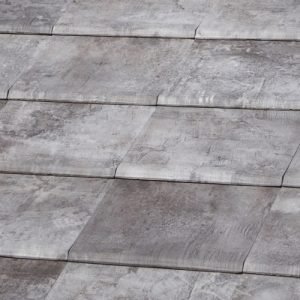
Marine equipment workshops require specialised spaces for repairing, maintaining and manufacturing marine components, boat equipment, engines and other mechanical systems. These facilities need reliable roofing to protect valuable machinery, tools, materials and workers from changing weather conditions.
Choosing the right marine equipment workshop roofing in Kerala is particularly important because coastal areas experience high humidity, salt-laden air, heavy monsoon rainfall and strong winds. These environmental conditions can accelerate corrosion and affect the durability of roofing materials and structural components.
Whether you are constructing a new marine workshop or upgrading an existing facility, here are seven important roofing considerations.
1. Choose Roofing Materials Suitable for Coastal Conditions
Marine workshops are frequently located near ports, harbours and coastal industrial areas. Salt exposure and high humidity can accelerate the deterioration of certain roofing materials.
Consider these factors when selecting roofing materials:
Corrosion resistance: Choose suitable materials and protective coatings for coastal environments.
Weather protection: Ensure the roofing system can withstand heavy rainfall and strong winds.
Durability: Evaluate the expected service life under local environmental conditions.
Maintenance: Consider the ease of cleaning, inspection and repair.
Material compatibility: Ensure roofing components, fasteners and supporting structures are compatible.
A professional assessment of the site’s coastal exposure is important before finalising the roofing material.
2. Provide Adequate Roof Height and Working Space
Marine equipment workshops often handle large machinery, boat engines, propellers, mechanical components and heavy maintenance equipment.
The roofing structure should provide sufficient internal clearance for daily operations.
Important considerations include:
Adequate roof height for large equipment.
Sufficient space for machinery movement.
Clearance for overhead cranes and lifting systems where required.
Suitable structural spans for large workshop areas.
Proper access for loading and unloading.
Space for future equipment expansion.
The building dimensions should be planned according to the largest equipment handled inside the workshop.
3. Plan Effective Ventilation for Workshop Activities
Marine equipment repair and maintenance may involve welding, grinding, painting, engine testing and mechanical servicing. These activities can generate heat, fumes, dust and vapours.
Suitable ventilation is important for maintaining appropriate indoor working conditions.
Consider incorporating:
Industrial roof ventilators.
Ridge ventilation systems.
High-level exhaust arrangements.
Mechanical ventilation systems.
Suitable fresh-air intake openings.
Dedicated extraction systems for welding and painting areas.
General roof ventilation should not replace specialised extraction systems required for specific workshop activities.
4. Design Reliable Rainwater Drainage
Kerala experiences significant monsoon rainfall, making effective roof drainage essential for marine equipment workshops.
Water leakage can damage machinery, electrical installations, spare parts and stored marine equipment.
A suitable drainage arrangement should include:
Correct roof slopes.
Adequately sized gutters.
Properly positioned downpipes.
Secure roof joints and flashing.
Accessible drainage outlets.
Regular cleaning and inspection.
Drainage should also prevent rainwater from entering workshop entrances, equipment storage areas and maintenance zones.
5. Consider Structural Strength for Heavy Equipment
Marine workshops may use lifting equipment, compressors, welding machines, engine handling systems and other industrial machinery.
The roofing structure should be coordinated with the workshop’s equipment layout.
Important considerations include:
Suitable structural spans.
Adequate internal clearance.
Allowance for applicable wind and roof loads.
Coordination with ventilation equipment.
Provision for overhead lifting systems where required.
Safe access for maintenance.
Any crane, lifting equipment or machinery supported by the building structure must be included in the structural design and assessed by qualified structural engineers.
6. Plan Suitable Lighting and Electrical Installations
Proper lighting is essential for marine equipment inspection, mechanical repairs, fabrication and maintenance activities.
Roof design can support both natural and artificial lighting arrangements.
Consider incorporating:
Industrial LED high-bay lighting.
Translucent roofing panels where appropriate.
Suitable lighting distribution across workstations.
Glare reduction for inspection areas.
Protected electrical installation routes.
Dedicated lighting for machinery maintenance zones.
Electrical installations should be designed according to moisture exposure, salt contamination and the specific risks associated with workshop activities.
7. Establish a Regular Roofing Maintenance Schedule
Marine workshops located near coastal areas may experience faster deterioration of exposed roofing components due to salt-laden air and moisture.
Regular inspections help identify problems before they affect workshop operations.
Important inspection areas include:
Roofing sheets and panels.
Protective coatings.
Fasteners and fixing points.
Structural connections.
Roof joints and sealants.
Gutters and downpipes.
Ventilation equipment.
Inspections should be scheduled throughout the year, particularly before and after the monsoon season. Coastal facilities may require more frequent checks of exposed metal components and protective coatings.
Common Roofing Mistakes to Avoid
Poor roofing decisions can increase maintenance expenses and affect the daily operations of marine equipment workshops.
Avoid these common mistakes:
Choosing roofing materials without considering coastal exposure.
Ignoring corrosion protection.
Providing insufficient clearance for large equipment.
Overlooking ventilation requirements.
Installing inadequate rainwater drainage.
Failing to coordinate roofing with lifting equipment.
Neglecting regular inspections and maintenance.
A successful roofing plan should be coordinated with the workshop layout, machinery requirements, coastal conditions and workplace safety arrangements.
Frequently Asked Questions
1. Which roofing system is suitable for marine equipment workshops in Kerala?
The suitable roofing system depends on the workshop’s location, dimensions, equipment and operational requirements. Corrosion resistance, weather protection, ventilation and structural strength should be evaluated before selecting materials.
2. Why is corrosion protection important for marine workshop roofing?
Marine workshops may be exposed to salt-laden air and high humidity, particularly in coastal locations. Suitable materials, protective coatings and compatible fasteners can help reduce corrosion risks.
3. Is ventilation necessary in marine equipment workshops?
Yes. Activities such as welding, grinding, painting and engine maintenance can generate heat, fumes and vapours. Appropriate ventilation and dedicated extraction systems help manage indoor air conditions.
4. Can marine workshops use insulated roofing systems?
Yes. Insulated roofing can help reduce heat transfer and improve indoor working conditions. The appropriate insulation should be selected according to the building design and workshop requirements.
5. How often should marine workshop roofing be inspected?
Routine inspections should be conducted throughout the year, with particular attention before and after the monsoon season. Coastal workshops may need additional inspections because of salt exposure and corrosion risks.
Conclusion
A properly planned roofing system is an important part of marine equipment workshop infrastructure. Material selection, corrosion protection, ventilation, drainage, structural stability and lighting all contribute to the long-term performance of the facility.
For businesses planning industrial roofing projects in Kerala, Scaffs India can help explore suitable roofing options based on the facility’s requirements.
Planning a new marine equipment workshop or upgrading an existing facility? Contact Scaffs India to discuss suitable roofing options for your project.