
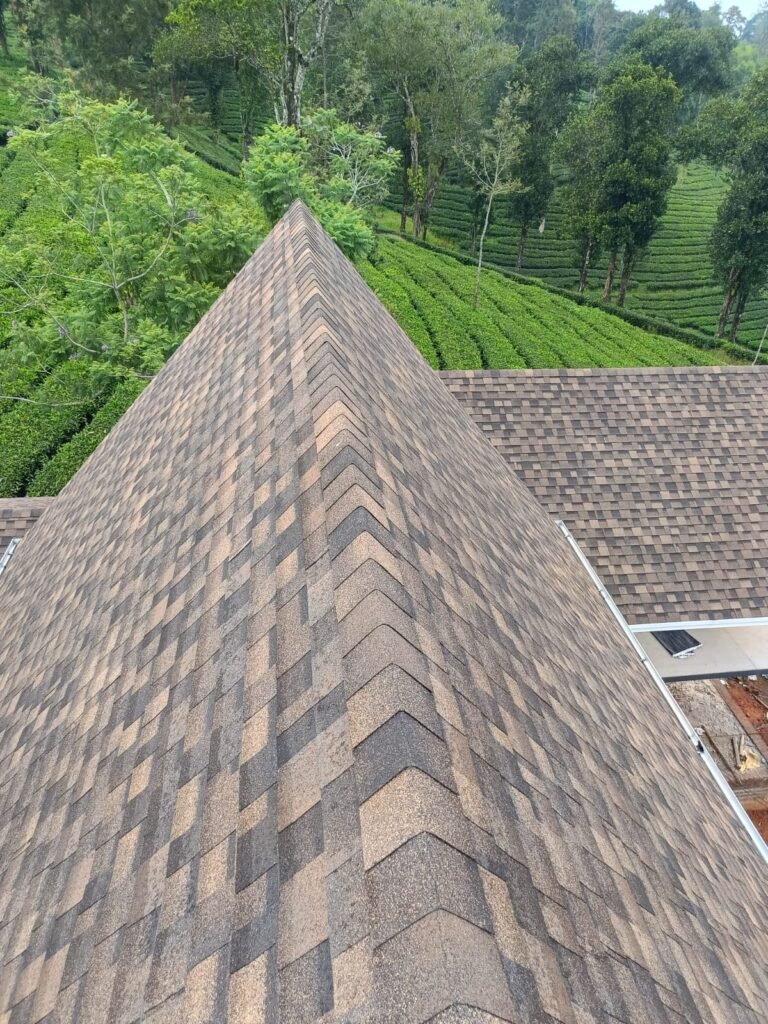
Traditional homes in Kerala are known for their sloping roofs, extended eaves, timber details and distinctive architectural character. These features contribute to the appearance of heritage properties while helping them respond to the region’s warm climate and seasonal rainfall.
Renovating the roof of an older home requires careful planning. The goal is to improve weather protection and address existing roofing problems while preserving the building’s original character wherever practical.
Heritage home roofing in Kerala involves more than replacing old tiles or repairing visible leaks. Property owners should consider the condition of the supporting structure, material compatibility, rainwater drainage, ventilation and future maintenance.
Whether you are restoring an ancestral home or renovating a traditional property, here are seven important roofing considerations.
1. Inspect the Existing Roof Before Renovation
Before deciding whether to repair or replace an old roof, arrange a detailed inspection of its current condition.
Traditional homes may have timber frameworks, clay tiles, older metal components or roofing materials installed during previous renovations. The condition of these elements can vary considerably depending on age, exposure and maintenance history.
During the assessment, pay attention to:
Roof covering: Look for broken, displaced or deteriorating tiles and other visible damage.
Timber framework: Check for signs of decay, moisture damage or insect activity.
Roof junctions: Inspect areas where roof sections meet walls or adjoining structures.
Ceilings: Look for damp patches, water stains or other signs of moisture.
Drainage: Check gutters, outlets and the areas where rainwater is discharged.
A visual inspection from the ground can identify some obvious problems, but it cannot establish the condition of every structural component.
If the roof shows signs of movement, significant deterioration or suspected structural damage, consult a qualified professional before beginning renovation work.
2. Preserve the Traditional Roof Design
The roof is often one of the most recognisable features of a traditional Kerala home.
Sloping rooflines, broad eaves, layered roof sections and traditional tile coverings may contribute significantly to the property’s architectural identity.
During renovation, consider which features should be retained or restored. Replacing the entire roof with a substantially different design may change the building’s appearance and require additional structural work.
Before finalising the design, review:
The original roof shape and slope.
The appearance and proportions of the eaves.
The relationship between the roof and exterior walls.
Existing decorative timber or architectural details.
The visual compatibility of replacement materials.
Where the original materials are no longer suitable or available, select alternatives carefully. The replacement should meet the building’s practical requirements while complementing its traditional character.
For historically significant properties, consult an architect or heritage conservation professional before making substantial changes.
3. Choose Roofing Materials Carefully
Selecting suitable roofing materials is an important part of heritage home renovation.
Some traditional houses feature clay tiles supported by timber frameworks. Others may have been modified over time using different roofing systems. The right choice depends on the existing structure, the roof design and the property’s renovation goals.
When comparing materials, consider the following factors:
Weight: Confirm that the supporting framework can accommodate the proposed covering.
Appearance: Choose a material that complements the building’s architecture.
Weather resistance: Evaluate suitability for the property’s rainfall and humidity exposure.
Installation: Check whether the material requires particular support spacing, underlayment or accessories.
Maintenance: Understand the inspection and repair requirements.
Availability: Confirm that replacement materials and compatible components can be obtained.
Do not assume that a modern roofing material can be installed on an older framework without modifications. A change in material may affect structural requirements, fixing methods and the overall roof design.
Discuss the options with a qualified roofing professional before purchasing materials.
4. Protect the Roof Against Kerala’s Monsoon Rainfall
Heavy seasonal rainfall makes effective water management essential when renovating traditional homes.
Older roofs may have complicated junctions, multiple slopes and extended eaves. These features require appropriate detailing to direct rainwater away from vulnerable areas.
Important considerations include:
Ensuring the roof covering is installed according to the product requirements.
Checking roof valleys and junctions for appropriate water management.
Providing suitable flashing where the roof meets walls or other structures.
Confirming that gutters and downpipes are properly positioned where required.
Directing discharged water away from the building’s foundations.
Keeping drainage components accessible for cleaning and inspection.
If the home has experienced repeated leakage, investigate the source before replacing materials. Water entry may be associated with damaged coverings, junction details, drainage problems or deterioration elsewhere in the roofing system.
Simply adding a new covering may not address the underlying cause.
Arrange professional inspection where the source of leakage is unclear, particularly if moisture has affected ceilings, timber components or interior finishes.
5. Check the Timber Framework and Structural Components
Many traditional Kerala homes use timber in their roof structures. The condition of this framework should be assessed before major renovation work begins.
Long-term moisture exposure, inadequate ventilation, insects or previous water entry may affect timber components. However, the presence of an old timber framework does not automatically mean it needs to be replaced.
A qualified professional should determine which components remain suitable and whether repairs or strengthening are necessary.
Before renovation, consider:
The visible condition of rafters, beams and supporting members.
Signs of moisture-related deterioration.
The condition of structural connections.
Whether the proposed roofing material changes the loads on the framework.
Whether additional equipment or roof features are planned.
Avoid removing or cutting structural timber without professional guidance. Unplanned modifications may affect the stability of the roof.
If substantial structural repairs are required, coordinate the work with the roofing contractor so that the supporting structure and roof covering are treated as parts of one system.
6. Improve Ventilation Without Losing the Home’s Character
Ventilation can influence indoor comfort and the condition of the roof space.
Traditional roof designs may include features that support airflow, but their effectiveness depends on the building’s layout, ceiling construction and actual ventilation openings.
During renovation, assess whether the roof space experiences excessive heat, persistent moisture or inadequate airflow.
Depending on the building, suitable improvements may involve repairing existing ventilation openings or incorporating a carefully designed ventilation arrangement.
Before making changes, consider:
The current roof-space configuration.
The presence of a ceiling or enclosed attic.
The movement of air through the building.
Protection against rainwater entering through openings.
The effect of proposed changes on the building’s appearance.
Avoid adding openings without checking their effect on the roof structure and weather protection. Any ventilation changes should be compatible with the roofing system and the home’s architectural requirements.
An architect or qualified building professional can help identify suitable improvements for the particular property.
7. Plan a Practical Maintenance Schedule
Regular maintenance can help homeowners identify visible roofing problems and organise repairs before damage becomes more extensive.
Traditional homes may require attention to roofing materials, timber components, drainage systems and the junctions between different roof sections.
A practical maintenance checklist includes:
Roof covering: Check for visible damage or displaced materials.
Timber components: Arrange professional assessment if deterioration is suspected.
Roof junctions: Investigate signs of leakage or damaged flashing.
Drainage: Keep accessible gutters and outlets clear of debris.
Interior spaces: Investigate new water stains, damp patches or unusual moisture.
Maintenance records: Document repairs, replacement materials and warranty information.
The appropriate inspection schedule depends on the roof’s age, materials, exposure and condition. Additional checks may be appropriate after severe weather.
For older buildings, use professionals familiar with the relevant roofing materials and traditional construction methods.
Never climb onto an old roof without appropriate training, access equipment and safety precautions. Some traditional roof coverings may be fragile or unsuitable for direct foot traffic.
Common Mistakes to Avoid During Heritage Roof Renovation
When renovating a traditional home, avoid these four common mistakes:
Replacing materials without assessing the structure: Confirm that the existing framework is suitable for the proposed roofing system.
Changing the roof design without considering the architecture: Preserve important traditional features wherever practical.
Ignoring the source of recurring leaks: Investigate the cause before deciding which repairs are necessary.
Neglecting future maintenance: Plan for inspections, drainage cleaning and timely repairs.
Careful assessment can help homeowners balance the property’s traditional character with its practical roofing requirements.
Frequently Asked Questions
Can I replace the traditional tiles on my Kerala home with modern roofing materials?
This may be possible, but the decision depends on the existing structure, roof design, material compatibility and renovation objectives. Have the roof assessed before selecting a replacement system.
How can I prevent leakage in an old Kerala house?
Start by identifying the source of the leakage. Damaged coverings, roof junctions, flashing and blocked drainage may require attention. The appropriate repair depends on the condition of the complete roofing system.
Should the timber framework be replaced during roof renovation?
Not necessarily. The framework should be inspected to determine whether it remains structurally suitable. Repairs, strengthening or replacement should be based on a professional assessment.
Can I preserve the traditional appearance while upgrading the roof?
In many cases, roofing materials and installation details can be selected to complement the existing architectural style. The options depend on the roof design, available materials and structural requirements.
How often should a traditional roof be inspected?
Inspection frequency depends on the roofing material, age, exposure and condition. Regular checks and additional inspections after severe weather can help identify visible problems.
Plan Your Heritage Home Roofing Project with Scaffs India
Renovating a traditional Kerala home requires a balance between preserving its architectural character and improving its practical performance.
Careful inspection, suitable material selection, structural assessment, effective drainage and regular maintenance can help homeowners make informed decisions about their roofing projects.
Scaffs India provides roofing-related services, including truss roofing and roofing installation. If you are renovating an older home or planning a new roofing system in Kerala, discuss the building’s requirements with an experienced roofing professional.
Explore the roofing services offered by Scaffs India to learn more about available options.